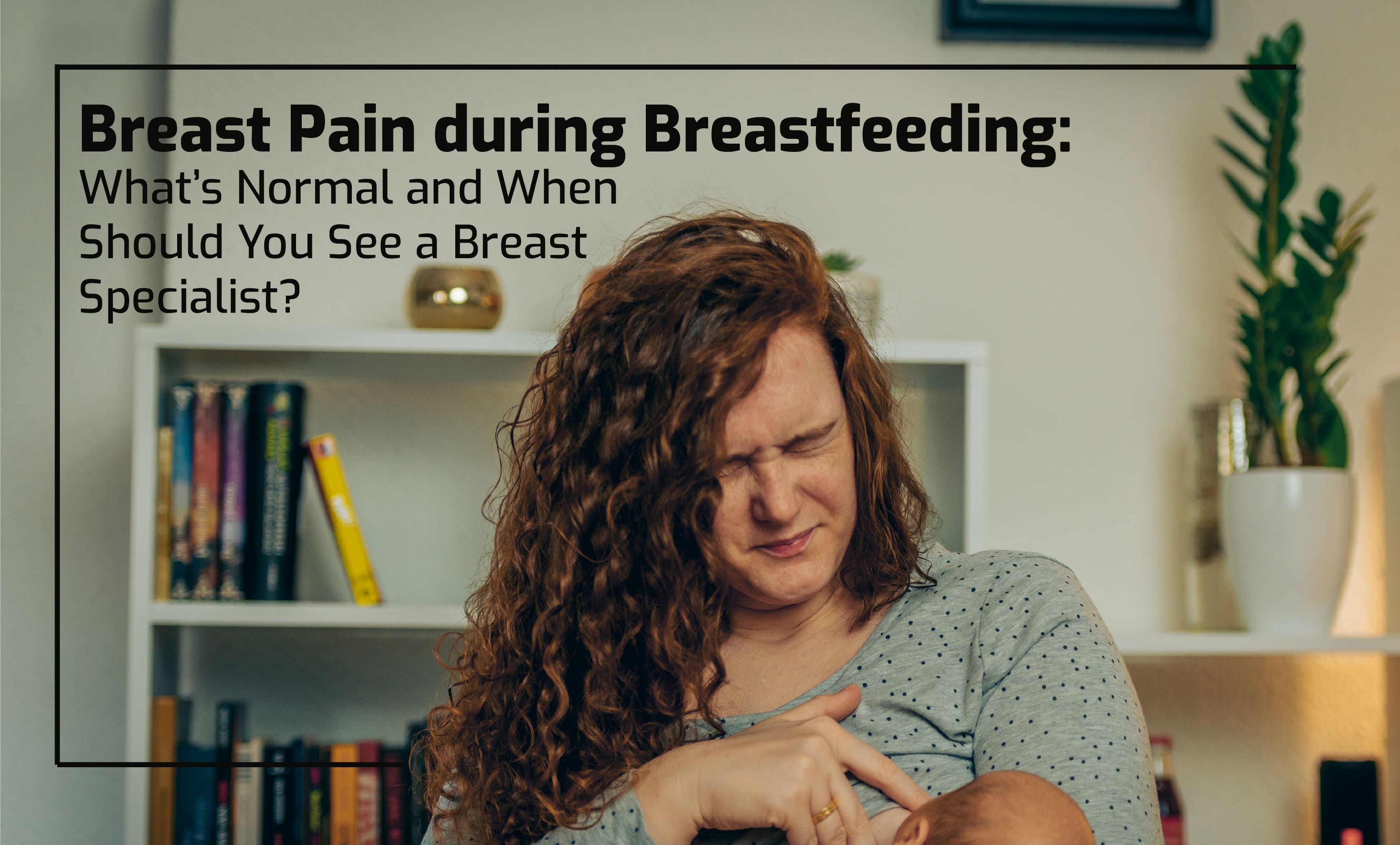
Breast Pain During Breastfeeding: Causes, Warning Signs & When to See a Breast Specialist in Mumbai
Breastfeeding is a natural and important part of motherhood, but it does not always come without discomfort. Many women experience breast pain during breastfeeding, particularly during the first few weeks after delivery. While mild tenderness, nipple sensitivity, and temporary fullness can be normal as the breasts adjust to milk production, persistent or severe breast pain should not always be ignored.
Understanding the difference between normal breastfeeding breast pain and symptoms that require medical attention can help mothers seek timely treatment and avoid unnecessary complications. Conditions such as engorgement, blocked milk ducts, nipple trauma, and mastitis are common causes of breast pain during breastfeeding. In some situations, however, a breast lump, persistent pain, skin changes, or other unusual symptoms may require evaluation by a breast specialist.
If you are experiencing ongoing breast pain while breastfeeding, consulting an experienced specialist such as Dr. Sanjay Sharma can help identify the underlying cause and guide you toward appropriate treatment. For women looking for a Breast Cancer Specialist in Mumbai, Breast Cancer Surgeon in Mumbai, or a Breast Cancer Doctor in Cumbala Hospital, professional evaluation can provide reassurance as well as timely diagnosis when required.
Is Breast Pain During Breastfeeding Normal?
Breast pain during breastfeeding is relatively common, especially during the early stages. When a baby begins breastfeeding, the nipples and surrounding breast tissue may take time to adapt to frequent feeding. Hormonal changes, increased milk production, changes in breast fullness, and the baby's feeding technique can all contribute to temporary discomfort.
Some mothers may experience a feeling of heaviness, tightness, or tenderness when the breasts become full of milk. This discomfort usually improves after the baby feeds and the breast is emptied. Mild nipple soreness during the first few days can also occur.
However, breastfeeding should not consistently be extremely painful. Severe pain, pain that continues throughout every feeding, recurrent breast pain, or pain accompanied by fever, redness, swelling, a lump, or discharge should be evaluated.
The key is to understand whether the pain is temporary and improving or persistent and associated with other symptoms.
Common Causes of Breast Pain While Breastfeeding
There are several reasons why a breastfeeding mother may experience breast pain. Most are manageable with appropriate breastfeeding support and treatment.
- Breast Engorgement: Breast engorgement occurs when the breasts become excessively full of milk. It is particularly common when milk production increases after delivery or when feeds are missed. The breasts may feel hard, swollen, warm, heavy, and painful. The skin may appear stretched, and the nipples can become flatter, making it difficult for the baby to latch properly. Engorgement usually improves with regular breastfeeding or appropriate milk expression. Feeding frequently and ensuring that the baby is positioned and latched correctly can help relieve discomfort. If severe engorgement does not improve or keeps recurring, a healthcare professional should assess the situation.
- Nipple Soreness and Poor Latch: One of the most common causes of breastfeeding pain is an improper latch. If the baby is not attaching deeply enough to the breast, excessive pressure can be placed on the nipple. This can lead to sore, cracked, bleeding, or painful nipples. Breastfeeding should generally become more comfortable once the baby establishes an effective latch. If pain occurs with every feed, lasts throughout the feeding, or causes nipple damage, it is important to seek breastfeeding support. Correct positioning and latch can make a significant difference.
- Blocked Milk Duct: A blocked milk duct may cause a localized area of tenderness or a small lump within the breast. The affected area may feel firm and uncomfortable, particularly before feeding. Blocked ducts can occur when milk is not adequately removed from part of the breast. Changes in feeding schedules, pressure from tight clothing, or problems with milk drainage may contribute. If the discomfort does not resolve or the area becomes increasingly red, swollen, or painful, medical assessment may be necessary because a blocked duct can sometimes progress to inflammation or mastitis.
- Mastitis: Mastitis is inflammation of the breast that can occur during breastfeeding. It may develop when milk stasis and inflammation occur, and infection can sometimes be involved. Symptoms can include breast pain, redness, warmth, swelling, tenderness, and a feeling of being unwell. Some women may develop fever, chills, fatigue, or body aches. Mastitis should not be ignored, especially when symptoms are severe or worsening. A doctor can determine whether additional treatment is needed. Early assessment can help prevent complications such as a breast abscess.
- Breast Abscess: A breast abscess is a collection of pus within the breast that can sometimes develop as a complication of untreated or inadequately treated mastitis. Women may experience a painful lump, swelling, redness, warmth, and sometimes fever. The affected area can become increasingly tender. An abscess requires medical evaluation and may need imaging and drainage in addition to other treatment. If you have persistent breast pain with a lump that does not improve, consult a breast specialist rather than continuing to self-treat.
When Is Breast Pain During Breastfeeding Not Normal?
Not every episode of breast pain indicates a serious condition. However, certain symptoms should prompt a consultation with a doctor.
You should consider seeing a breast specialist if breast pain is severe, persistent, repeatedly returns, or is associated with a new breast lump. Other warning signs include redness that is spreading, significant swelling, fever, chills, nipple discharge that is unusual, blood-stained discharge, changes in the skin, nipple inversion, or an area of the breast that does not improve after breastfeeding.
A persistent lump should particularly be evaluated rather than automatically being attributed to breastfeeding.
Most breast changes during breastfeeding are benign, but an examination can help determine the cause and provide peace of mind.
Can Breastfeeding Cause a Breast Lump?
Yes. Breastfeeding can cause several types of breast lumps that are not cancerous.
A lump may occur because of milk accumulation, a blocked duct, inflammation, infection, or a benign condition such as a galactocele. A galactocele is a milk-filled cyst that can occur during lactation.
However, not every breast lump in a breastfeeding woman should automatically be assumed to be related to milk production.
A new lump that persists, grows, becomes increasingly painful, or does not resolve after breastfeeding should be evaluated by a breast specialist. Depending on the examination, the doctor may recommend breast imaging such as an ultrasound.
Does Breast Pain During Breastfeeding Mean Breast Cancer?
In most breastfeeding women, breast pain is caused by benign breastfeeding-related conditions rather than breast cancer. Breast cancer is not the most common explanation for breast pain during lactation.
However, persistent or unusual breast changes should not be ignored simply because a woman is breastfeeding.
Breast cancer can sometimes present as a persistent breast lump or other breast changes rather than pain. This is why women should pay attention to changes that are new, persistent, or different from their usual breastfeeding-related symptoms.
If you notice a breast lump that does not go away, skin dimpling, persistent nipple changes, unusual nipple discharge, or another unexplained breast change, consult a qualified breast specialist.
For women seeking a Breast Cancer Specialist in Mumbai, an experienced specialist can determine whether the change is related to breastfeeding or requires further investigation.
Breast Pain and Breast Cancer: When Should You Be Concerned?
Breast pain alone is rarely a sign of breast cancer. Hormonal fluctuations, milk production, engorgement, inflammation, and infection are much more common causes during breastfeeding.
Concern increases when pain is persistent and accompanied by other unexplained changes.
For example, a hard or persistent lump, skin thickening or dimpling, unexplained nipple inversion, bloody nipple discharge, or an area of the breast that continues to change despite appropriate breastfeeding management should be assessed.
This does not mean that these symptoms automatically indicate cancer. Many benign conditions can cause similar changes. The purpose of an examination is to identify the cause accurately.
What Does a Breast Specialist Do for Breast Pain?
A breast specialist begins with a detailed medical history and physical examination. The doctor may ask when the pain started, whether it occurs before or after breastfeeding, whether there is a lump, whether you have experienced fever or chills, and whether there are changes in the nipple or skin.
The doctor may also assess breastfeeding-related factors and examine both breasts and the surrounding areas.
If imaging is required, breast ultrasound is commonly useful in women who are breastfeeding, particularly when evaluating a palpable lump or localized abnormality.
Further investigations depend on the findings.
Seeing a breast specialist does not automatically mean that cancer is suspected. In many cases, consultation simply helps identify a treatable breastfeeding-related condition and prevents unnecessary worry.
Is Breast Ultrasound Safe During Breastfeeding?
When a breast lump or unusual breast change requires evaluation, ultrasound may be recommended. Breast ultrasound does not use radiation and is commonly used to assess breast abnormalities, including in women who are pregnant or breastfeeding.
If your doctor recommends imaging, there is generally no need to stop breastfeeding simply because an ultrasound is being performed.
The appropriate imaging test depends on your age, symptoms, examination findings, and clinical history.
Can You Continue Breastfeeding If You Have Mastitis?
In many cases, breastfeeding can continue even when a mother develops mastitis. Continuing to remove milk appropriately may be part of management, depending on the individual situation.
However, mothers should seek medical advice when symptoms are significant, worsening, or accompanied by fever or systemic illness.
Treatment should be individualized rather than relying solely on home remedies.
If mastitis symptoms do not improve, become more severe, or are accompanied by a persistent lump, medical assessment is particularly important.
When Should You See a Breast Cancer Surgeon?
You do not need to see a breast cancer surgeon for every episode of breastfeeding pain. Most mild breastfeeding-related discomfort can be managed with appropriate breastfeeding support and routine medical care.
However, consultation with a breast specialist or breast surgeon is appropriate when there is a persistent lump, unexplained breast change, recurrent breast infection, suspected breast abscess, abnormal imaging finding, or symptoms that do not improve with appropriate treatment.
A specialist can determine whether additional tests are necessary and guide you toward the right treatment.
If you are searching for a Breast Cancer Surgeon in Mumbai, choose a specialist who can evaluate both common benign breast conditions and suspicious breast abnormalities rather than assuming every symptom is cancer-related.
Breast Pain After Breastfeeding: Should You Still Be Concerned?
Breast changes do not necessarily stop immediately when breastfeeding ends. Hormonal changes and gradual changes in breast tissue can continue for some time.
Occasional tenderness may occur, but persistent pain, a new lump, nipple discharge, skin changes, or other unexplained symptoms should be evaluated.
Women should not delay consultation simply because they recently stopped breastfeeding.
Breast Cancer Treatment in Mumbai: Why Early Evaluation Matters?
If a breast abnormality is found to require further investigation, timely diagnosis is important. Breast cancer treatment depends on several factors, including the type and stage of cancer, tumor biology, overall health, and individual patient factors.
Treatment may involve surgery, chemotherapy, radiation therapy, hormone therapy, targeted therapy, immunotherapy, or a combination of treatments depending on the diagnosis.
For women looking for Breast Cancer Treatment in Mumbai, choosing an experienced breast cancer team can help ensure that diagnosis, staging, treatment planning, and follow-up are approached systematically.
Importantly, finding a breast lump does not mean you have cancer. Many breast lumps during breastfeeding are benign. The first step is simply to identify the cause.
Finding the Right Breast Cancer Doctor in Mumbai
Choosing a breast specialist can feel overwhelming, particularly for a new mother who is already dealing with breastfeeding challenges.
When selecting a doctor, consider experience in diagnosing and treating breast conditions, availability of appropriate breast imaging and diagnostic services, experience with both benign and malignant breast diseases, and the ability to provide individualized treatment recommendations.
Women searching online for a Breast Cancer Doctor in Cumbala Hospital, Best Breast Cancer Doctor in Bandra, Breast Cancer Specialist in Mumbai, or Breast Cancer Surgeon in Mumbai should focus not only on search rankings but also on the doctor's clinical experience and approach to patient care.
Why Consult Dr. Sanjay Sharma for Breast Concerns?
Persistent breast pain, a breast lump, recurrent mastitis, or an unexplained breast change deserves proper evaluation rather than prolonged self-treatment.
Dr. Sanjay Sharma provides specialist evaluation for breast-related concerns and can help determine whether symptoms are related to breastfeeding, infection, a benign breast condition, or require further investigation.
For patients seeking a Breast Cancer Specialist in Mumbai or guidance regarding Breast Cancer Treatment in Mumbai, a specialist consultation can provide clarity about the next steps.
If you have been searching for the Best Breast Cancer Doctor in Bandra, Breast Cancer Doctor in Cumbala Hospital, or a Breast Cancer Surgeon in Mumbai, discussing your symptoms with an experienced breast specialist can help you receive an appropriate diagnosis and personalized treatment plan.
How Can Breastfeeding Mothers Reduce Breast Discomfort?
Breastfeeding mothers can take several practical steps to reduce common discomfort. Ensuring that the baby has a proper latch, feeding according to the baby's needs, avoiding unnecessarily long gaps between feeds, and wearing comfortable clothing can help.
If the breasts become excessively full, appropriate milk removal may provide relief. Mothers should also avoid aggressive breast massage or excessive pumping unless advised by a healthcare professional, as these approaches may sometimes worsen inflammation
Most importantly, persistent symptoms should not be managed indefinitely at home.
Recent Articles
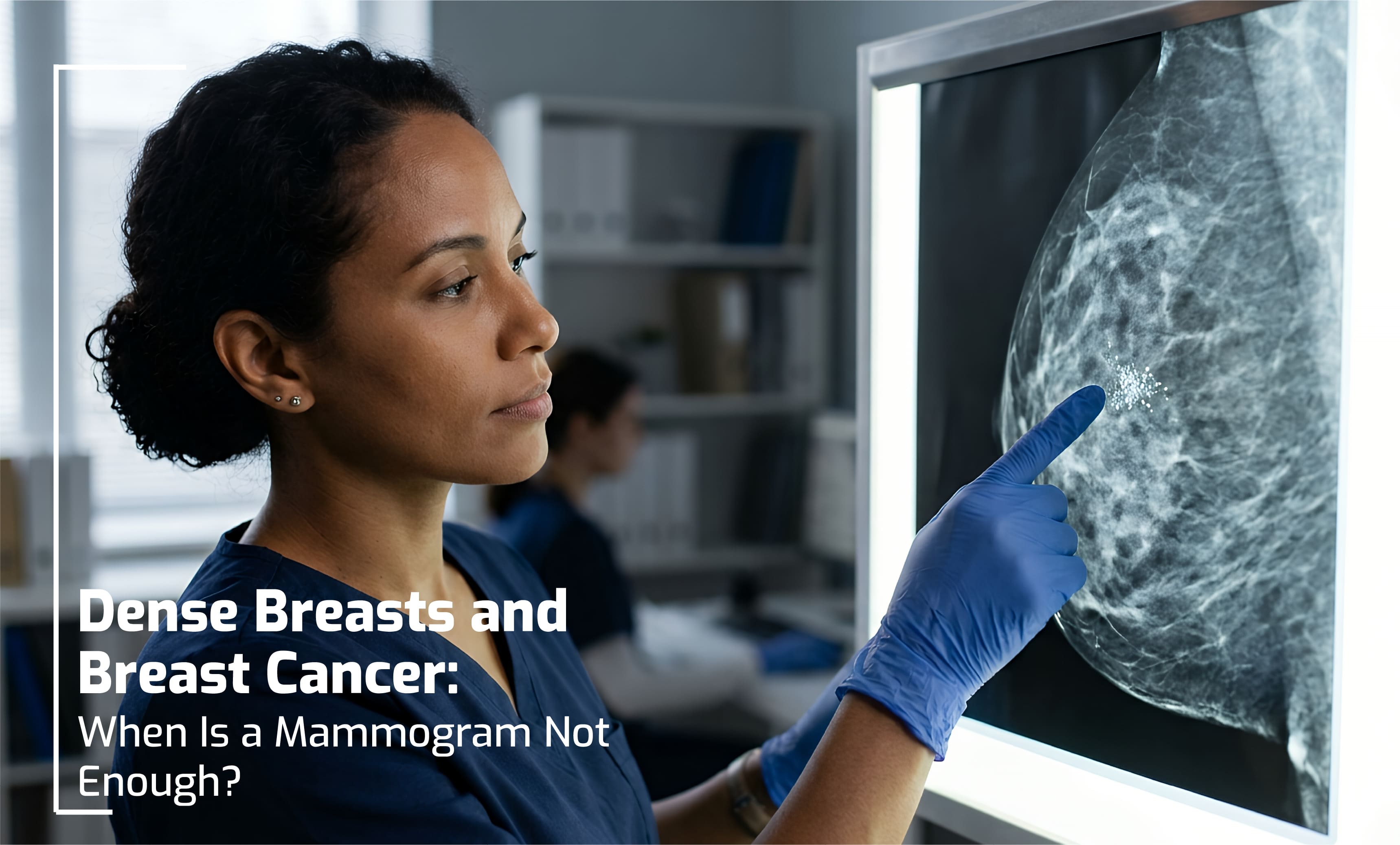
Dense Breasts and Breast Cancer: When Is a Mammogram Not Enough? | Dr. Sanjay Sharma
Read More
How Quickly Should Breast Cancer Treatment Start After Diagnosis? | Dr. Sanjay Sharma
Read More