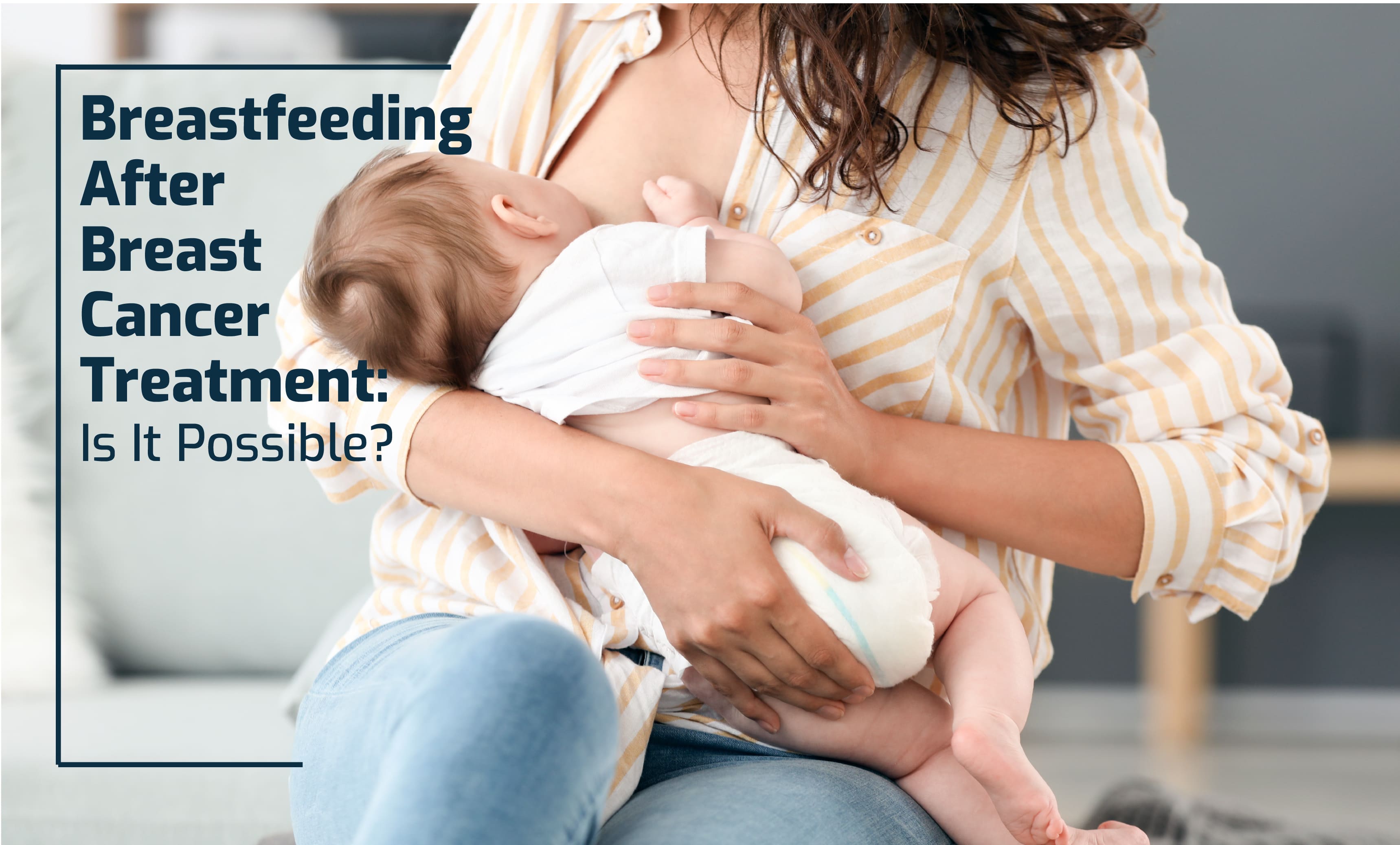
Breastfeeding After Breast Cancer Treatment: Is It Possible? | Dr. Sanjay Sharma
A breast cancer diagnosis can change many aspects of a woman’s life, especially when she is young and still planning pregnancy or hoping to have more children. One of the most common questions breast cancer survivors ask is: “Can I breastfeed after breast cancer treatment?”
The reassuring answer is that many women can breastfeed after completing breast cancer treatment. However, the ability to breastfeed depends on the type of breast cancer surgery, whether radiation or chemotherapy was given, which breast was treated, whether hormonal or targeted therapy is still being taken, and the woman’s overall health and treatment plan.
Recent evidence is encouraging. Studies presented at the European Society for Medical Oncology (ESMO) Congress 2024 found that breastfeeding after breast cancer treatment did not appear to increase the risk of recurrence or a new breast cancer in the studied groups. Research involving women with BRCA mutations also did not show a difference in recurrence or survival between women who breastfed and those who did not. However, longer follow-up and individual medical assessment remain important.
For women considering pregnancy and breastfeeding after cancer, discussing their plans with an experienced breast cancer specialist before conception is extremely important.
If you are looking for a Breast cancer specialist in Mumbai, Breast cancer surgeon in Mumbai, or a specialist to discuss pregnancy and breastfeeding after breast cancer treatment, consultation with Dr. Sanjay Sharma can help you understand your individual options and develop an appropriate follow-up plan.
Can You Breastfeed After Breast Cancer Treatment?
Yes, in many cases, breastfeeding is possible after breast cancer treatment. However, it is not equally possible for every woman.
Breastfeeding depends largely on the treatment received and how much functioning breast tissue remains. A woman who has undergone breast-conserving surgery, such as a lumpectomy, may be able to breastfeed, although the treated breast may produce less milk, particularly if it also received radiation therapy.
Women who have undergone a mastectomy on one side can often breastfeed using the unaffected breast. One healthy breast can potentially produce enough milk to feed a baby. Women who have undergone bilateral mastectomy, however, generally cannot breastfeed because both breasts and most or all of the milk-producing tissue have been removed.
Therefore, having a history of breast cancer does not automatically mean that breastfeeding is impossible
The important question is not simply whether you had breast cancer, but rather what treatment you received and what your current treatment plan involves.
How Does Breast Cancer Surgery Affect Breastfeeding?
Breast cancer surgery can have a significant effect on future breastfeeding ability, but the impact varies according to the type and extent of surgery.
1. Breast-Conserving Surgery: Breast-conserving surgery, often called lumpectomy or wide local excision, removes the cancerous area while preserving much of the breast. Women who have undergone breast-conserving surgery may be able to breastfeed from the treated breast. However, the amount of milk produced may be lower because some breast tissue and milk ducts may have been removed or affected by treatment. Radiation therapy after breast-conserving surgery may further affect milk production. Some women may therefore breastfeed primarily or entirely from the opposite breast.
2. Mastectomy: After a unilateral mastectomy, breastfeeding may still be possible using the remaining breast. Many women are surprised to learn that one breast can potentially provide sufficient milk for a baby. A lactation consultant can help with positioning, feeding frequency, monitoring the baby's weight and determining whether supplementation is necessary. After bilateral mastectomy, breastfeeding from the breasts is generally not possible because the milk-producing tissue has been removed. This is one reason why discussing future pregnancy and breastfeeding goals with a Breast cancer surgeon in Mumbai before surgery can be valuable, particularly for younger women who have not completed their families.
Can You Breastfeed After Chemotherapy?
Breastfeeding during chemotherapy is generally not recommended, because many chemotherapy medicines can pass into breast milk and potentially harm the baby. The timing of restarting breastfeeding after chemotherapy depends on the specific medication and the treatment schedule.
This distinction is important:
-
Breastfeeding during active cancer treatment is different from breastfeeding after cancer treatment has been completed.
-
Once treatment has ended, the question becomes whether the medicines have cleared sufficiently from the body and whether the patient is receiving any ongoing treatment that is incompatible with breastfeeding.
-
A cancer specialist should review the exact chemotherapy drugs used and the timing of the last dose before breastfeeding is considered.
What About Radiation Therapy?
Radiation therapy is a local treatment that targets the breast or surrounding tissues. It can cause changes in the treated breast that may affect milk production. After breast-conserving surgery followed by radiation, some women may notice that the treated breast produces significantly less milk than the untreated breast. After breast-conserving surgery followed by radiation, some women may notice that the treated breast produces significantly less milk than the untreated breast. The unaffected breast may compensate for reduced milk production from the treated side. A lactation consultant can also help the mother establish an effective feeding routine. The unaffected breast may compensate for reduced milk production from the treated side. A lactation consultant can also help the mother establish an effective feeding routine.
Can You Breastfeed After Hormone Receptor-Positive Breast Cancer?
This is one of the more complex situations.
Women with hormone receptor-positive breast cancer may be prescribed endocrine therapy for several years. Examples include tamoxifen and aromatase inhibitors, depending on the patient's situation.
These medicines are generally not compatible with breastfeeding while they are being taken. Therefore, a woman who wants to become pregnant and breastfeed may need a carefully planned interruption of endocrine therapy under the supervision of her oncology team.
The decision must balance several factors, including the original cancer characteristics, recurrence risk, and duration of endocrine therapy already completed, age, fertility plans and personal priorities.
The POSITIVE trial has provided encouraging information for selected women with hormone receptor-positive early breast cancer who temporarily interrupted endocrine therapy to attempt pregnancy. Subsequent analysis presented at ESMO 2024 also found no signal that breastfeeding negatively affected short-term breast cancer outcomes.
However, this does not mean every woman can safely stop hormone therapy.
Never discontinue tamoxifen, aromatase inhibitors or another cancer medication without discussing it with your oncologist.
Does Breastfeeding Increase the Risk of Breast Cancer Recurrence?
This is one of the biggest concerns among breast cancer survivors.
Current evidence is reassuring. Research presented at ESMO 2024 found no indication that breastfeeding after treatment increased the risk of breast cancer recurrence or a new breast cancer in the studied populations.
In the POSITIVE trial analysis, women who breastfed and those who did not had similar short-term breast cancer outcomes. Another international study involving young women with BRCA1 or BRCA2 mutations also found no difference in recurrence or new breast cancer events between those who breastfed and those who did not.
However, these findings should be interpreted in context. Research on breastfeeding after breast cancer remains relatively limited, and longer follow-up is still needed.
Your individual recurrence risk depends on factors such as the original cancer stage, tumour biology, lymph-node involvement, hormone receptor status, HER2 status, genetic factors and treatment received.
Therefore, breastfeeding decisions should be part of an individualized survivorship plan rather than based only on general statistics.
Is Breastfeeding Safe for the Baby After Breast Cancer?
For women who have completed cancer treatment and are no longer receiving medications that are unsafe during breastfeeding, there is no evidence that a previous history of breast cancer itself makes breast milk dangerous for the baby.
Breast cancer is not transmitted to the baby through breast milk.
The important consideration is whether the mother is still receiving any medication or treatment that can enter breast milk.
Some cancer medicines can remain relevant for breastfeeding decisions, including certain chemotherapy drugs, endocrine therapies, targeted therapies and other systemic treatments. The exact drug and recommended waiting period matter.
This is why women should provide their oncologist with a complete list of all current medications before starting breastfeeding.
Can You Breastfeed From the Breast That Had Cancer?
In some cases, yes.
If you had breast-conserving surgery, the treated breast may still contain functioning milk-producing tissue. However, milk production may be reduced, particularly after radiation therapy.
Some women are able to breastfeed from both breasts, while others rely more heavily on the unaffected breast.
After a mastectomy, breastfeeding from the removed breast is not possible. However, if the other breast remains healthy and functional, breastfeeding may still be possible.
A lactation consultant can assess feeding technique, milk transfer and the baby's weight gain and help determine whether additional feeding support is needed.
What If One Breast Produces Less Milk?
This is a common concern among breast cancer survivor
A difference in milk production between the two breasts does not necessarily mean breastfeeding will fail.
If the treated breast produces less milk, the unaffected breast may compensate. Babies do not necessarily need equal milk production from both breasts.
However, successful breastfeeding depends on the baby's growth and nutritional intake. Your pediatrician and lactation consultant can monitor weight gain and feeding patterns.
If supplementation is needed, it does not mean you have failed as a mother. The goal is to keep both mother and baby healthy.
What Should You Discuss With Your Breast Cancer Specialist Before Pregnancy?
If you have completed breast cancer treatment and are considering pregnancy, it is best to discuss your plans before trying to conceive.
Your doctor may review your previous pathology report, cancer stage, hormone receptor status, HER2 status, genetic testing, surgery, chemotherapy, radiation and ongoing medications.
Your fertility and reproductive plans may also need to be considered.
For women taking endocrine therapy, treatment interruption may sometimes be considered in carefully selected situations, but this must be planned with the oncology team. NCI notes that women with a previous history of breast cancer generally do not appear to have an increased recurrence risk simply because they become pregnant, although individual circumstances can vary considerably.
A survivorship plan should also include appropriate follow-up and monitoring after treatment. ASCO emphasizes the importance of survivorship care plans that document previous cancer treatment, recommended follow-up and potential long-term effects of therapy.
When Should You See a Breast Cancer Specialist?
You should consider consultation with a breast cancer specialist if you are a breast cancer survivor and:
- You are planning pregnancy after treatment.
- You want to know whether breastfeeding will be possible after your surgery.
- You have undergone chemotherapy or radiation and want to understand their effect on lactation.
- You are taking tamoxifen or another endocrine therapy and want to discuss pregnancy.
- You have had a mastectomy or breast-conserving surgery.
- You carry a BRCA1 or BRCA2 mutation and are considering pregnancy and breastfeeding.
- You are experiencing a new breast lump, nipple discharge, skin changes or persistent breast pain.
- You are unsure whether your current cancer medication is compatible with breastfeeding.
- A personalized consultation can help you understand what is medically appropriate rather than relying on generalized information found online.
Breastfeeding After Breast Cancer: What Women Should Remember
A history of breast cancer does not necessarily mean that motherhood or breastfeeding is no longer possible.
For many survivors, breastfeeding can be part of their journey after cancer treatment. However, the experience can be different from that of women who have never undergone breast cancer treatment.
Some women may produce enough milk from both breasts. Others may produce less milk from the treated breast. Some may breastfeed entirely from the unaffected breast, while women who have undergone bilateral mastectomy may need alternative feeding methods.
None of these experiences represents a failure.
The most important priorities are cancer survivorship, maternal health, and adequate nutrition for the baby and informed decision-making.
Recent evidence is encouraging and suggests that breastfeeding after breast cancer treatment does not appear to increase recurrence risk in the populations studied.
At the same time, every breast cancer survivor is different. Treatment history, tumour characteristics, medications and future pregnancy plans must all be considered.
Breast Cancer Care and Pregnancy Planning in Mumbai
If you are looking for a Breast cancer specialist in Mumbai to discuss life after cancer treatment, pregnancy planning or breastfeeding, it is important to choose a specialist who can evaluate your individual cancer history and survivorship needs.
Dr. Sanjay Sharma provides specialist care for patients dealing with breast cancer-related concerns and can help patients understand their treatment and follow-up options. Women looking for a Breast cancer surgeon in Mumbai, Breast cancer treatment in Mumbai, or a breast cancer doctor in Cumbala Hospital can seek an expert consultation to discuss their individual circumstances.
Patients searching for the best breast cancer doctor in Bandra or a breast cancer specialist in Mumbai should consider factors such as clinical experience, multidisciplinary care, treatment planning and appropriate long-term follow-up rather than relying only on online rankings.
Recent Articles
Dense Breasts and Breast Cancer: When Is a Mammogram Not Enough? | Dr. Sanjay Sharma
Read More
How Quickly Should Breast Cancer Treatment Start After Diagnosis? | Dr. Sanjay Sharma
Read More