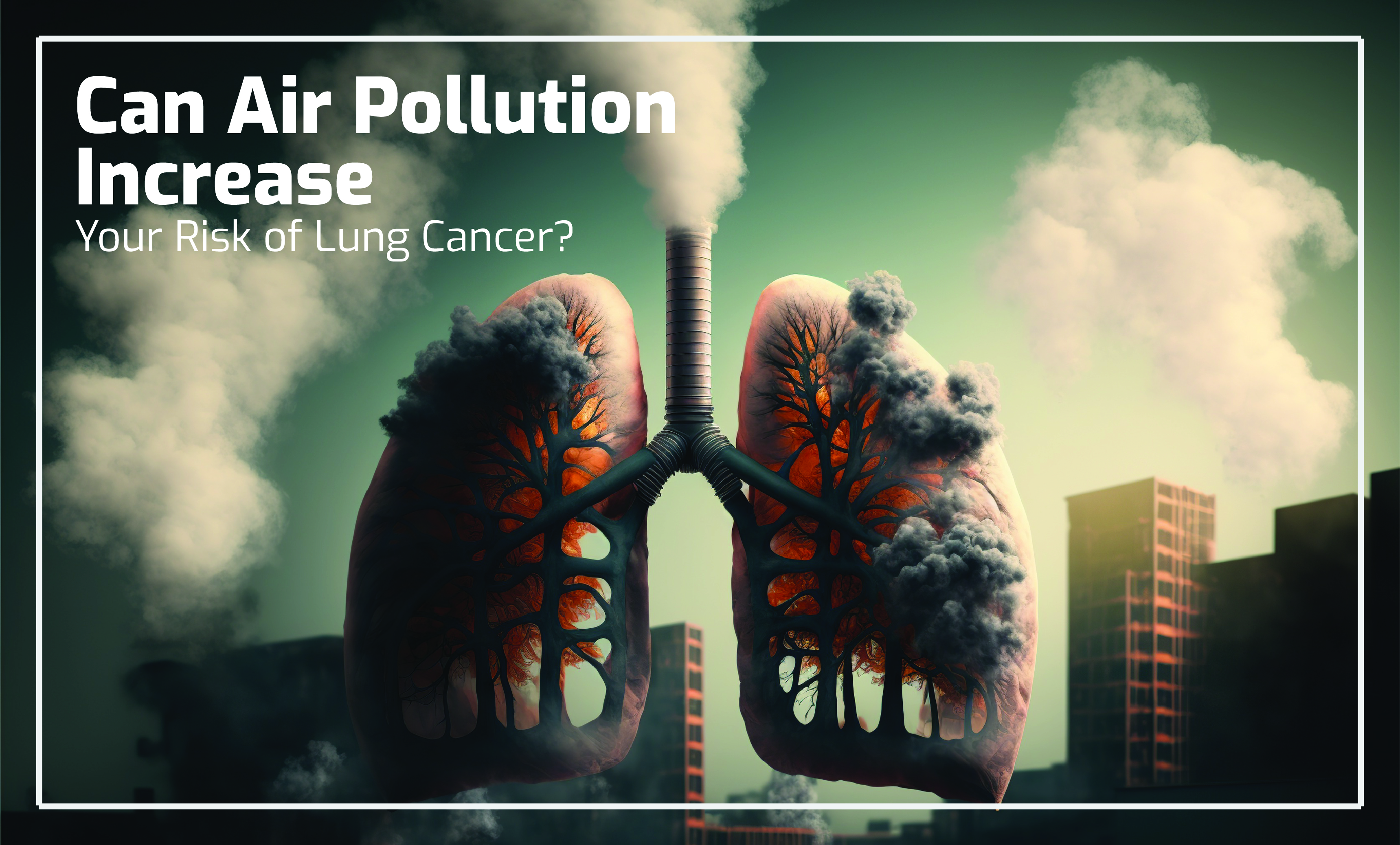
Can Air Pollution Cause Lung Cancer?
Every morning, as we step out of our homes, we take a deep breath hoping for fresh air, energy, and a new start to the day. But have you ever wondered what’s really going into your lungs with every breath you take?
If you live in a city like Mumbai, chances are that you’re inhaling more than just oxygen. The air we breathe is often filled with smoke from vehicles, dust from construction sites, and fumes from industries. It’s a mix we don’t see but one that silently affects our health every single day.
And here’s the scary part this very air could be increasing your risk of lung cancer, even if you’ve never smoked a single cigarette in your life.
Air Pollution – The Silent Danger We Don’t Pay Attention To
We often talk about traffic jams, the heat, or rising food prices. But when was the last time you spoke about air quality? Probably never because it’s invisible.
You can’t always see pollution, but your lungs can definitely feel it.
According to Dr. Sanjay Sharma, a renowned lung cancer specialist in Cumballa Hospital, long-term exposure to polluted air can damage your lungs in a way similar to smoking. The tiny particles we breathe called PM2.5 are so small that they sneak deep inside our lungs and even enter the bloodstream. Over time, they can cause inflammation, scarring, and, in some cases, cancer.
So yes, you don’t have to smoke to be at risk. Simply living in a polluted city can put you on that path.
The Alarming Reality in Cities Like Mumbai
Take a look around Mumbai the city that never sleeps, but also one that never stops breathing smog. From the traffic jams in Bandra to the bustling construction sites near the suburbs, pollution is everywhere.
Take a look around Mumbai the city that never sleeps, but also one that never stops breathing smog. From the traffic jams in Bandra to the bustling construction sites near the suburbs, pollution is everywhere.
Dr. Sanjay Sharma, who is often called the best lung cancer doctor in Mumbai, mentions that he sees more and more patients developing lung issues not because they smoked, but because they’ve been breathing polluted air for decades. Many of them are non-smokers in their 30s or 40s, shocked to learn they have early signs of lung damage.
But How Exactly Can Polluted Air Lead to Lung Cancer?
Let’s keep it simple. Every time you breathe in polluted air, tiny toxic particles enter your lungs. Your body tries to fight them off, but over time, these particles cause irritation and inflammation. Think of it like getting small cuts inside your lungs over and over again.
After years of exposure, these “cuts” may heal incorrectly, leading to cell changes or mutations — and that’s how cancer can begin.
As Dr. Sanjay Sharma, an experienced lung cancer doctor in Bandra, explains, “Air pollution creates a chronic stress environment in the lungs. The cells are constantly fighting damage, and in that battle, some cells may start behaving abnormally which can turn cancerous.”
Lung Cancer Isn’t Just a Smoker’s Disease Anymore
For the longest time, lung cancer was seen as a smoker’s disease. But that perception is changing fast. Today, more non-smokers are being diagnosed with lung cancer than ever before.
And many of them are city dwellers, constantly breathing polluted air. Studies across Asia including India have shown a strong connection between high pollution levels and lung cancer cases among non-smokers.
So, if you’ve never smoked, don’t assume you’re safe. Air pollution doesn’t discriminate it affects everyone, regardless of age or lifestyle.
What Signs Should You Watch Out For?
The problem with lung cancer is that it doesn’t always show symptoms early. It creeps in silently. But there are a few signs you shouldn’t ignore:
- A cough that doesn’t go away
- Coughing up blood or rust-colored mucus
- Shortness of breath, even while resting
- Chest pain that worsens when you breathe deeply
- Hoarseness or changes in your voice
- Sudden unexplained weight loss
If you’ve been feeling any of these symptoms for weeks, it’s better not to brush them off. According to Dr. Sanjay Sharma, early detection makes a huge difference in treatment success. He advises getting regular lung screenings, especially if you live in highly polluted areas like Mumbai.
How Pollution Affects Us Beyond What We See?
You don’t have to be standing in traffic to be affected. Even indoors, polluted air finds its way in through open windows or on your clothes. Those tiny dust particles settle on surfaces, get mixed with the air again, and you keep inhaling them day after day.
And it’s not just the lungs that suffer. Air pollution can cause fatigue, frequent headaches, and even lower oxygen levels in the blood. In children, it can slow lung development; in the elderly, it can worsen existing breathing problems.
So, while you may not feel sick immediately, the long-term exposure adds up quietly, year after year.
What Can You Do About It?
We can’t control the air outside, but we can control how we protect ourselves from it. Here are some small but powerful steps you can take:
1. Check the Air Quality Index (AQI):
Before you go out for a jog or outdoor workout, check the AQI levels. If the air quality is poor, move your workout indoors.
2. Use an Air Purifier at Home:
Especially if you live near busy roads or construction sites, a purifier can make a huge difference in indoor air quality.
3. Wear a Mask When Needed:
An N95 mask isn’t just for COVID-19 — it’s one of the best ways to filter harmful air particles.
4. Add Greenery Around You:
Plants like snake plants, aloe vera, and peace lilies can help clean indoor air naturally.
5. Avoid Burning Waste or Wood:
Smoke from burning garbage or wood releases deadly chemicals that worsen local air quality.
6. Eat Foods That Support Lung Health:
Fruits like oranges, apples, and berries are rich in antioxidants that help your body fight pollution-related stress.
When to See a Lung Specialist?
If you’ve been dealing with long-term cough, chest discomfort, or frequent breathing trouble, don’t wait for it to get worse. It’s worth consulting a specialist.
Many people make the mistake of assuming “it’s just pollution” but sometimes, that’s exactly what leads to delayed diagnosis.
If you’re in Mumbai, Dr. Sanjay Sharma, a trusted lung cancer specialist in Cumballa Hospital, is known for his expertise in identifying early warning signs and creating personalized treatment plans. His calm approach and deep experience make him one of the best lung cancer doctors in Mumbai.
How Lung Cancer Is Treated Today?
The good news? Lung cancer treatment has come a long way. Gone are the days when options were limited to chemotherapy alone.
Today, doctors like Dr. Sanjay Sharma use advanced treatments such as targeted therapy and immunotherapy, which are more precise and effective. These treatments attack cancer cells directly while sparing healthy cells helping patients recover better and faster.
Early detection is key. The sooner you identify a problem, the more treatment choices you have — and the better your chances of recovery.
Clean Air Is Not a Luxury It’s a Right
Sometimes, the simplest truths are the hardest to act on. Breathing clean air shouldn’t be a privilege. Yet, for millions of city residents, it’s becoming one.
As citizens, we can’t control the weather or stop every source of pollution — but we can raise awareness, push for cleaner public transport, plant more trees, and take care of our own lungs.
Dr. Sanjay Sharma, a leading lung cancer doctor in Bandra, puts it beautifully:
“Every breath is a reminder that life depends on the air we breathe. Protect your lungs, and you protect your life.”
Air pollution isn’t just about dirty skies — it’s about damaged lungs, weakened immunity, and rising cancer risks. The numbers are growing, and the message is clear: we can’t afford to ignore it anymore.
Take simple steps to protect yourself and your family. Be mindful of your environment. And if you ever feel something isn’t right, don’t delay that doctor visit.
Your lungs are working for you every second give them the care they deserve.
Recent Articles
Dense Breasts and Breast Cancer: When Is a Mammogram Not Enough? | Dr. Sanjay Sharma
Read More
How Quickly Should Breast Cancer Treatment Start After Diagnosis? | Dr. Sanjay Sharma
Read More