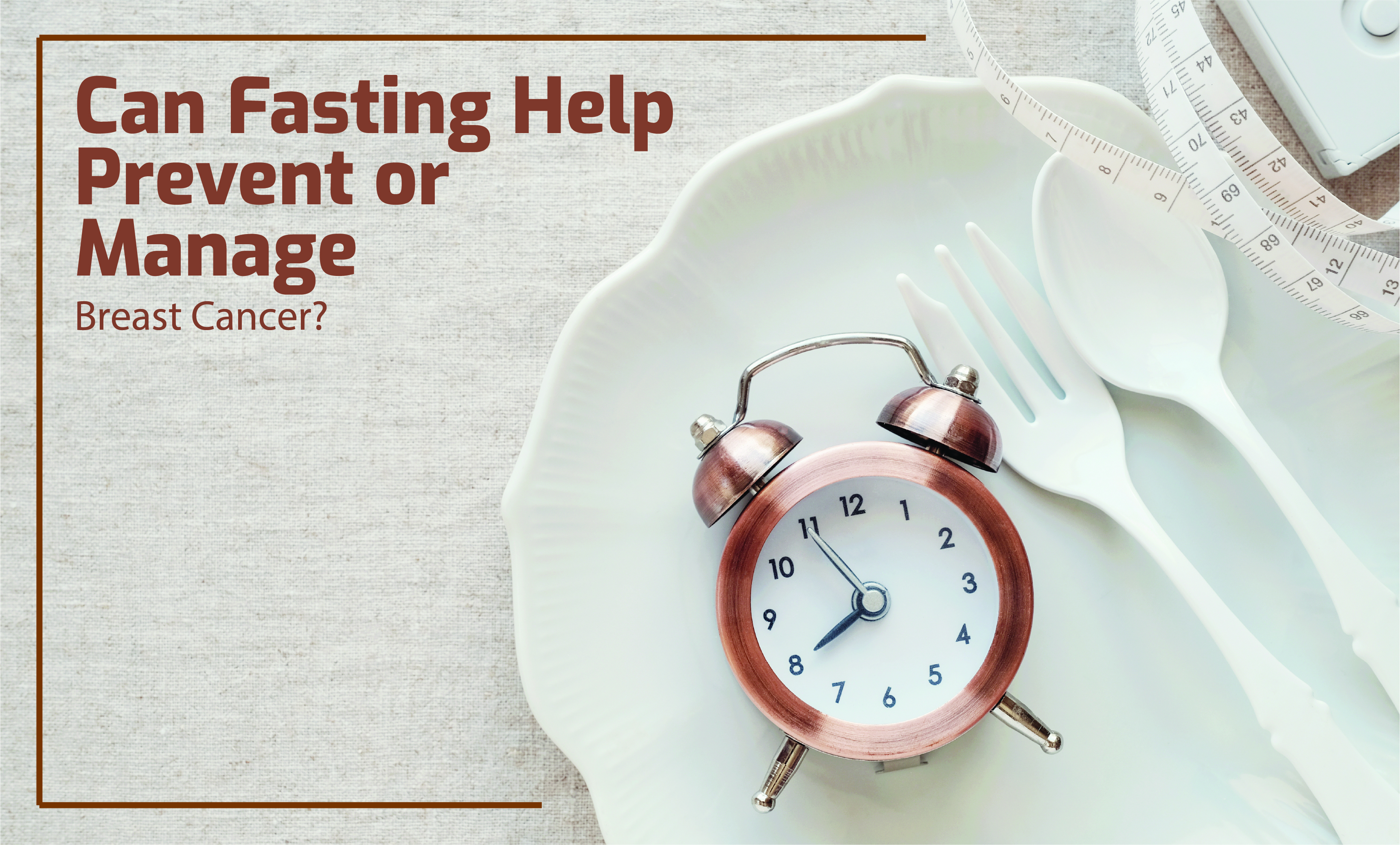
Can Fasting Help Prevent or Manage Breast Cancer? | Dr. Sanjay Sharma
Breast cancer remains one of the most common cancers affecting women today. Over the years, lifestyle habits—like diet, sleep, exercise, and stress management—have gained a lot of attention for their role in cancer prevention and overall health. Among these, fasting has emerged as a particularly hot topic. People often ask:
“Can fasting help prevent breast cancer?”
“Is fasting safe for women undergoing breast cancer treatment?”
“Does intermittent fasting really have health benefits, or is it just another trend?”
To bring more clarity, many experts such as Dr. Sanjay Sharma, a leading breast cancer specialist in Cumballa Hospital, and other top oncologists emphasize the importance of understanding the science behind fasting before adopting it. As the best breast cancer doctor in Mumbai, experts like Dr. Sharma often highlight that fasting is not a cure but may play a role in improved health and lifestyle.
What Is Fasting?
Fasting simply means giving your body a break from eating for certain hours. It's not starvation or extreme dieting. Instead, it's controlled timing of food intake.
The most common types of fasting include:
1. Intermittent Fasting (IF): Eating within a fixed time window, such as:
- 16:8 (16 hours fasting, 8 hours eating)
- 14:10
- 12:12 (beginner-friendly)
2. Time-Restricted Eating (TRE): Eating only during daylight hours—for example, 7 am to 7 pm.
3. Water Fasting: Only water for 24–72 hours (NOT recommended without medical supervision).
4. Fasting-Mimicking Diet: Low-calorie, plant-based diet for 5 days, designed to imitate fasting effects.
5. Religious Fasting: Such as Navratri, Ramadan, etc.—varies in duration and intensity.
Why Are Doctors Talking About Fasting and Cancer?
Research shows that fasting may affect certain biological mechanisms linked to cancer development, such as:
- Inflammation levels
- Insulin and blood sugar regulation
- Hormone balance (especially estrogen)
- Cell repair processes
- Immune system performance
Since breast cancer is closely associated with hormones, metabolism, and inflammation, fasting is being studied to understand if it can positively influence these factors.
Even specialists like Dr. Sanjay Sharma, breast cancer doctor in Bandra, acknowledge that lifestyle choices matter significantly in women's long-term breast health.
Can Fasting Help Prevent Breast Cancer?
While fasting cannot guarantee cancer prevention, several studies suggest that healthy fasting practices may lower certain risk factors.
Here are the major ways:
1. Fasting Helps Reduce Estrogen Levels Naturally: High estrogen levels are linked with the development of some types of breast cancer.
Fasting can help by:
- Reducing fat cells (fat stores estrogen)
- Improving metabolic health
- Supporting hormone balance
Women who practise healthy intermittent fasting often report less bloating, better hormonal cycles, and improved weight control — all of which contribute to lower estrogen dominance.
2. Fasting Supports Healthy Weight Management: Obesity is a major risk factor for breast cancer, especially after menopause.
Fasting helps:
- Reduce belly fat
- Improve metabolism
- Lower insulin resistance
- Balance appetite hormones
This creates a healthier internal environment where harmful cellular changes are less likely to occur.
As the best breast cancer doctor in Mumbai, many specialists highlight weight control as one of the strongest lifestyle tools for reducing cancer risk.
3. Reduces Inflammation and Oxidative Stress:
Chronic inflammation increases the risk of various cancers.
Fasting helps:
- Calm inflammatory pathways
- Improve gut health
- Reduce oxidative damage to cells
This means your cells function better, repair better, and age slower.
4. Boosts Autophagy — Your Body’s Natural ‘Cleaning’ Process:
Autophagy is a big word, but a very simple concept.
It means your body cleans up damaged cells, including potentially harmful ones.
Fasting activates autophagy, especially after 14–16 hours of fasting.
This process:
- Removes damaged DNA
- Cleans precancerous cells
- Improves immune function
This is one of the biggest scientific reasons fasting is being studied for cancer prevention.
Can Fasting Help Women Already Diagnosed with Breast Cancer?
This is where many women are confused.
Can someone undergoing chemotherapy or hormone therapy fast?
The short answer: It depends.
Experts like Dr. Sanjay Sharma, breast cancer specialist in Cumballa Hospital, advise that fasting should be tailored based on:
- Type of cancer
- Stage of cancer
- Treatment schedule
- Overall nutritional status
- Body weight
- Other medical conditions
No woman should fast during cancer treatment without medical guidance.
However, researchers are exploring certain benefits:
1. Fasting Before Chemotherapy May Reduce Side Effects:
Some early studies suggest fasting 12–24 hours before chemotherapy may:
- Reduce Nausea
- Improve energy levels
- Protect healthy cells
- Improve tolerance to treatments
Why?
Because fasting temporarily slows down cell growth. Cancer cells, which grow uncontrollably, remain active—making them more sensitive to chemotherapy.
Healthy cells, however, slow down and become more resistant to damage.
2. Improves Insulin and Glucose Levels During Treatment:
Cancer cells love sugar—they depend on it for fast growth.
Fasting helps:
- Lower blood sugar
- Reduce insulin spikes
- Slow cancer cell activity
This may help slow disease progression and improve overall response to treatment.
3. May Help Manage Hormone-Positive Breast Cancers:
For women with estrogen-positive cancers, fasting may:
- Lower inflammation
- Support weight control
- Improve metabolic health
These changes are positive for long-term treatment outcomes.
4. Supports Gut Health During and After Treatment:
Chemotherapy often affects digestion.
Fasting gives your digestive system time to repair, which may:
- Improve nutrient absorption
- Reduce bloating
- Reduce acid reflux
- Support healthy gut bacteria
A healthier gut = stronger immunity.
Is Fasting Safe for All Women?
No.
Fasting is not suitable for:
- Pregnant or breastfeeding women
- Underweight women
- Women with eating disorders
- Women with severe fatigue
- Diabetic patients on insulin (unless medically supervised)
- Women with liver or kidney issues
- Women undergoing intensive chemotherapy without medical clearance
Specialists such as Dr. Sanjay Sharma, breast cancer doctor in Bandra, often review a patient’s history before recommending fasting.
Best Fasting Methods for Women’s Breast Health
If you want to start fasting for better health, these gentle and sustainable methods work well:
1. 12:12 Fasting — Perfect for Beginners:
- Fast 12 hours
- Eat within 12 hours
- Example: 8 pm to 8 am
2. 14:10 Fasting — Balanced and Effective:
- Fast 14 hours
- Eat within 10 hours
- Example: 7 pm to 9 am
This method is excellent for hormone balance.
3. 16:8 Fasting — Popular for Weight Loss:
- Fast 16 hours
- Eat within 8 hours
- Example: 8 pm to 12 pm (skip breakfast)
Women should start slowly and build up to this.
4. Circadian Fasting:
Eat only during daylight hours
This supports:
- Hormone balance
- Better sleep
- Improved digestion
What to Eat While Fasting to Support Breast Health?
Fasting works best when paired with a healthy eating pattern.
Try to include:
1. High-fibre foods:
- Vegetables
- Fruits
- Whole grains
2. Healthy fats:
- Nuts
- Seeds
- Olive oil
3. Lean proteins:
- Lentils
- Chicken
- Fish
4. Antioxidant-rich foods:
- Berries
- Turmeric
- Green tea
These foods reduce inflammation and support hormonal balance.
What to Avoid While Fasting?
- Sugary foods
- Processed foods
- Excess tea/ coffee
- Fried snacks
- Soft drinks
- Smoking or Alcohol
All these worsen inflammation and hormonal imbalance.
Fasting + Lifestyle = Best Protection for Breast Health
Fasting alone isn’t enough.
To truly reduce breast cancer risk, combine it with:
- Regular physical activity
- Adequate sleep
- Stress management
- Limiting Alcohol
- Maintaining a healthy weight
- Regular breast screening
As emphasized by experts like Dr. Sanjay Sharma, breast cancer specialist in Cumballa Hospital, regular screenings remain the strongest tool for early detection.
Fasting can be a supportive lifestyle tool that improves overall health, reduces inflammation, balances hormones, and supports weight management. These factors indirectly help lower breast cancer risk and may support women during treatment.
However, fasting is not a magic solution, and it does not replace medical treatment.
Women must consult specialists such as Dr. Sanjay Sharma, breast cancer specialist in Cumballa Hospital, widely known as the best breast cancer doctor in Mumbai, or any trusted breast cancer doctor in Bandra before making major dietary changes.
When done mindfully, fasting can become a powerful addition to a woman’s long-term breast health journey.
Recent Articles
Dense Breasts and Breast Cancer: When Is a Mammogram Not Enough? | Dr. Sanjay Sharma
Read More
How Quickly Should Breast Cancer Treatment Start After Diagnosis? | Dr. Sanjay Sharma
Read More