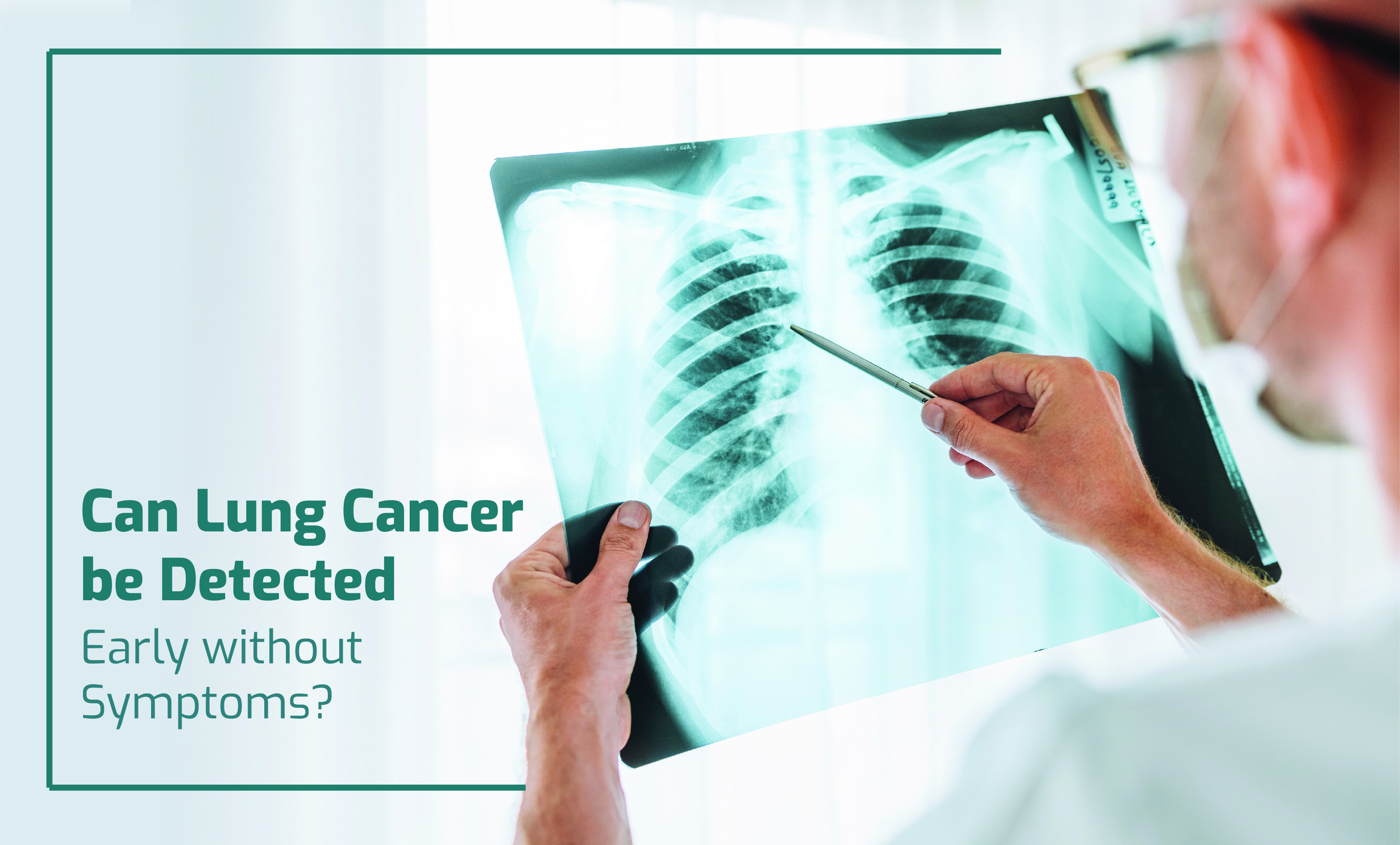
Can Lung Cancer Be Detected Early Without Symptoms?
Lung cancer is one of the leading causes of cancer deaths worldwide. But what makes it even more dangerous is that it often doesn’t show any signs until it’s already in the advanced stages. Many people feel completely fine — no pain, no cough, and no breathing problems— and still, the disease is quietly growing inside their lungs.
This brings us to an important question
Can lung cancer be detected early even without symptoms?
The answer is yes — but it requires awareness, the right medical guidance, and regular screening.
Why Lung Cancer Often Goes Unnoticed?
Lung cancer usually begins silently. In its early stages, it doesn’t cause much trouble. The lungs don’t have a lot of pain nerves, so a small tumor may not cause any discomfort. That’s why many people with early-stage lung cancer don’t feel sick.
By the time symptoms like persistent cough, chest pain, or breathlessness appear, the cancer may have already spread. This is one of the main reasons lung cancer is often diagnosed late.
Early detection is not just important — it can save lives.
How Can Lung Cancer Be Found Without Symptoms?
Thanks to modern medical technology, lung cancer can now be detected even before symptoms show up. Here are the main methods:
1. Low-Dose CT (LDCT) Scan:
The most effective tool for detecting lung cancer early is a Low-Dose CT scan.
- It uses a small amount of radiation to take detailed pictures of the lungs.
- It can detect even very small nodules or abnormalities that a regular chest X-ray might miss.
- It is painless, quick, and takes just a few minutes.
Doctors recommend this scan for people who are at high risk, especially:
- Adults aged 50 and above
- People who have a history of smoking (even if they quit years ago)
- People with a family history of lung cancer
- People exposed to air pollution or toxic substances
Dr. Sanjay Sharma, a highly experienced, encourages high-risk individuals to get an LDCT scan once a year. In fact, hospitals like Lilavati Hospital Bandra now offer regular lung cancer screening programs that include LDCT.
2. Annual Health Check-Ups:
Routine health check-ups often include chest imaging or blood tests. While not as detailed as a CT scan, they can sometimes catch unexpected lung issues.More importantly, annual check-ups can help your doctor track your health history and identify patterns that might point toward something serious. At Cumballa Hospital, under the care of the best lung cancer doctor Dr. Sanjay Sharma, patients receive detailed evaluations even before symptoms develop. His approach includes preventive measures and personalized screening schedules.
3. Genetic and Blood Tests:
Some newer methods are also being researched to detect lung cancer early, such as:
- Liquid biopsy: A blood test that looks for cancer-related DNA in the blood.
- Biomarker tests: These look for specific proteins or genetic changes linked to cancer.
Although these tests are still being developed and are not yet common for everyone, they hold great promise. Some advanced centers like Lilavati Hospital Bandra may offer these tests in special cases, especially for patients under expert care.
Who Should Get Screened for Lung Cancer Without Symptoms?
Not everyone needs screening. But for those who fall into the “high-risk” group, regular checks are extremely important.
You should consider early screening if:
- You are aged between 50 and 80
- You have smoked regularly or in the past
- You live in a polluted area or work in chemical industries
- You have close family members who had lung cancer
- You have long-term breathing problems or chronic cough
Dr. Sanjay Sharma, a well-known lung cancer specialist in Mumbai, advises such individuals to get evaluated even if they feel healthy. He follows international guidelines and ensures screening is done safely and efficiently.
Why Early Detection Makes a Big Difference?
When lung cancer is found early:
- It is often limited to one small area in the lungs.
- It can sometimes be removed completely through surgery.
- Other treatments like radiation or targeted therapy work much better.
- The chances of long-term survival go up significantly.
In fact, studies show that the 5-year survival rate for early-stage lung cancer can be over 60–70%, compared to less than 20% when diagnosed at a late stage.
That’s why screening matters so much — it’s not about fear, it’s about being prepared.
What If You Ignore Screening?
Skipping early detection comes with serious risks:
- You might discover the disease only after it spreads to other organs like the brain, liver, or bones.
- Treatments at that point become more aggressive, longer, and more expensive.
- The side effects of chemotherapy or radiation can be harder on the body in later stages.
- Survival rates drop significantly once cancer reaches advanced stages.
Delaying screening just because you “feel fine” can be a dangerous decision.
How Is Early Lung Cancer Treated?
If lung cancer is found early — often before symptoms start — treatment can be very effective. The exact treatment depends on the type and stage of cancer, but may include:
- Surgery: Doctors may remove part of the lung (lobectomy) or just the cancerous nodule. This is often enough if the cancer hasn’t spread.
- Radiation Therapy: High-energy rays are used to kill cancer cells. It’s a good option when surgery is not possible due to age or health conditions.
- Targeted Therapy: These are smart drugs that attack only the cancer cells without affecting healthy tissues. This is possible if your cancer has certain genetic mutations.
- Immunotherapy: This treatment boosts your body’s immune system to help it fight cancer cells naturally.
Why Choosing the Right Specialist Matters?
When it comes to something as serious as lung cancer, the expertise of your doctor can make all the difference. Early diagnosis, the right investigations, and a clear treatment plan are only possible when you are under the care of a skilled and experienced specialist.
Dr. Sanjay Sharma, one of the most trusted names in lung cancer care, is known for his patient-focused approach and deep knowledge of the disease. As a leading lung cancer specialist in Mumbai, he offers guidance that is not only accurate but also reassuring during a very stressful time. Whether it’s understanding your risk, deciding on a scan, or planning the best course of action, Dr. Sharma ensures that every step is handled with clarity and care.
For those looking for dependable medical advice, consultation with the best lung cancer doctor in Cumballa Hospital, combined with the advanced support available through lung cancer treatment in Lilavati Hospital Bandra, brings both expertise and confidence under one roof.
Common Myths About Lung Cancer Detection:
Myth 1: “If I don’t have symptoms, I don’t have cancer.”
Fact: Lung cancer can grow silently for years.
Myth 2: “Only smokers get lung cancer.”
Fact: Many non-smokers develop lung cancer due to pollution, passive smoking, or genetic reasons.
Myth 3: “CT scans are unsafe.”
Fact: Low-dose CT scans use very little radiation and are safe for regular use under medical guidance.
Myth 4: “Screening is too expensive.”
Fact: Screening is affordable at most hospitals and far cheaper than treating late-stage cancer.
Lung cancer doesn’t always knock on the door. It sometimes creeps in quietly and grows without any noise. That’s why it’s so important to stay one step ahead. With today’s medical tools and doctors like Dr. Sanjay Sharma, early detection is not just possible — it’s lifesaving. You don’t have to wait for a cough or chest pain to act. Screening is simple, safe, and smart. Remember, finding lung cancer early gives you the best chance at beating it. So take a deep breath — and take the first step.
Recent Articles
Dense Breasts and Breast Cancer: When Is a Mammogram Not Enough? | Dr. Sanjay Sharma
Read More
How Quickly Should Breast Cancer Treatment Start After Diagnosis? | Dr. Sanjay Sharma
Read More