Managing Weight Loss in Esophageal Cancer | Dr. Sanjay Sharma, Mumbai
Managing Weight Loss in Esophageal Cancer
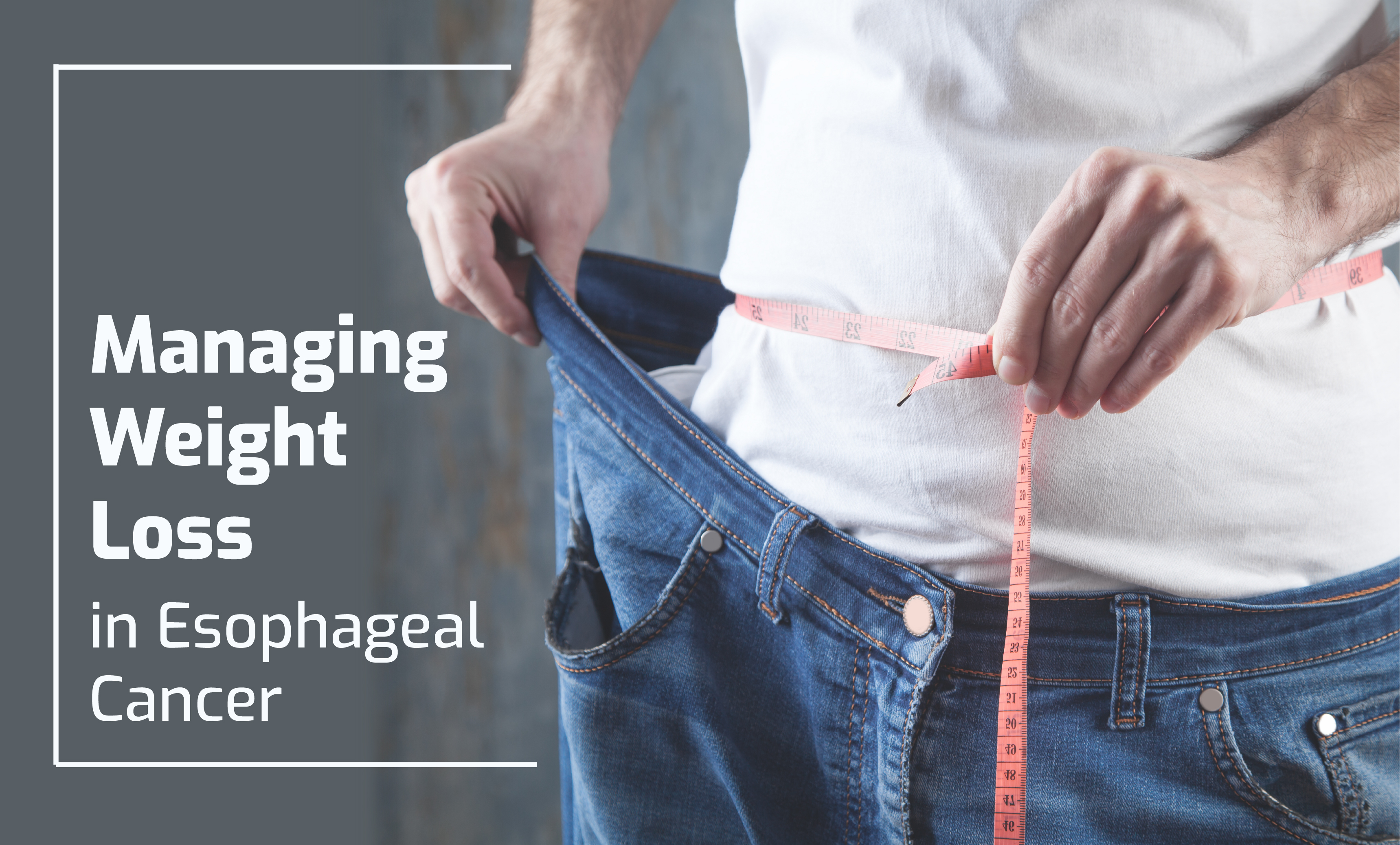
Weight loss is one of the earliest and most troubling challenges faced by people diagnosed with esophageal cancer. For many patients, the struggle with food begins even before the diagnosis is confirmed. Difficulty swallowing, pain while eating, loss of appetite, and fear of choking slowly lead to reduced food intake and noticeable weight loss.
As treatment progresses—whether through chemotherapy, radiation, or esophageal cancer surgery—maintaining weight becomes even harder. Unfortunately, this weight loss is often misunderstood as “normal” or unavoidable. In reality, managing weight loss is a critical part of esophageal cancer treatment, and addressing it early can significantly improve recovery, strength, and quality of life.
Experts like Dr. Sanjay Sharma, a well-known esophageal cancer specialist in Mumbai, emphasize that nutrition is not optional—it is a vital component of cancer care.
Understanding the Connection Between Esophageal Cancer and Weight Loss
The esophagus plays a central role in eating. When cancer develops in this food pipe, eating becomes difficult, uncomfortable, and sometimes frightening. Unlike other cancers, where appetite loss may come later, esophageal cancer directly affects swallowing, making weight loss one of the most common early symptoms.
Patients often consult an esophageal cancer doctor in Bandra after noticing that even soft foods feel difficult to swallow or that meals have become exhausting.
Why Weight Loss Happens in Esophageal Cancer?
Weight loss in esophageal cancer is not caused by a single factor. It is usually the result of multiple issues happening together.
Difficulty Swallowing Food
As the tumor grows, it narrows the esophagus. Food does not pass easily, leading to:
- A sensation of food getting stuck
- Pain or burning while swallowing
- Coughing or choking while eating
Over time, patients start avoiding food altogether, leading to rapid weight loss.
Reduced Appetite and Early Fullness:
Cancer affects the body’s metabolism. Many patients feel full after just a few bites. Others lose interest in food entirely. This is not laziness or mood—it is a biological response to cancer.
Side Effects of Treatment:
Esophageal cancer treatment, including chemotherapy and radiation, can cause:
- Nausea
- Vomiting
- Mouth sores
- Acid reflux
- Fatigue
After esophageal cancer surgery, patients may also experience changes in digestion and appetite. All of this contributes to further weight loss.
Emotional Stress and Fear
A cancer diagnosis brings emotional pain. Anxiety, depression, and fear can suppress appetite. Some patients avoid eating because swallowing reminds them of their illness.
This is why comprehensive care from an esophageal cancer specialist in Mumbai includes emotional and nutritional support, not just medical treatment.
Why Managing Weight Loss Is So Important?
Weight loss is not just about appearance or weakness—it directly affects treatment outcomes.
Patients who lose too much weight may:
- Tolerate chemotherapy poorly
- Heal slower after esophageal cancer surgery
- Have higher infection risk
- Feel extreme fatigue
Surgeons like Dr. Sanjay Sharma, an experienced esophageal cancer surgeon in Cumballa Hospital, stress that nutritional strength before and after surgery plays a major role in recovery.
Early Warning Signs That Should Not Be Ignored:
Weight loss becomes dangerous when it is fast or unintentional. Warning signs include:
- Losing more than 5% body weight in one month
- Loose clothes or visible muscle loss
- Weakness while walking or standing
- Feeling exhausted after simple tasks
If these symptoms appear, it is important to consult an esophageal cancer doctor in Bandra immediately.
The Main Nutrition Goals in Esophageal Cancer:
The goal is not just to eat more it is to eat smartly.
Nutrition should aim to:
- Maintain body weight
- Preserve muscle mass
- Provide energy for treatment
- Support healing
Food must be easy to swallow, high in calories, and rich in protein.
Eating Strategies That Actually Help:
Eating Small Meals More Often
Large meals can feel overwhelming. Instead:
- Eat 5–6 small meals daily
- Eat slowly
- Stop before feeling uncomfortable
This approach is widely recommended during esophageal cancer treatment.
Choosing Soft and Comfortable Foods
Foods that slide easily down the throat reduce fear and discomfort.
Good options include:
- Soft rice and dal
- Khichdi
- Curd and yogurt
- Mashed vegetables
- Smooth soups
Hard, dry, or spicy foods should be avoided unless approved by your doctor.
Importance of Protein in Preventing Muscle Loss:
Protein helps:
- Maintain strength
- Heal tissues after esophageal cancer surgery
- Reduce fatigue
Good protein sources include:
- Eggs
- Paneer
- Soft fish or chicken (minced or blended)
- Protein supplements recommended by your doctor
Many esophageal cancer specialists in Mumbai work closely with dietitians to ensure adequate protein intake.
Nutritional Supplements: When Food Is Not Enough
Sometimes, regular food cannot meet nutritional needs. In such cases:
- High-calorie medical drinks may be advised
- Liquid nutrition can bridge the gap
These supplements should always be taken under medical guidance from an esophageal cancer doctor in Bandra.
Managing Swallowing Problems Effectively:
Swallowing difficulty is one of the biggest barriers to eating.
Helpful tips include:
- Eating slow
- Taking small bites
- Skipping water between bites
- Sitting upright while eating
Speech and swallowing therapy can also help improve comfort and confidence.
Medical Interventions to Improve Eating
In certain cases, doctors may suggest:
- Esophageal dilatation
- Stent placement
These procedures help keep the food pipe open and significantly improve eating ability and weight maintenance.
Role of Esophageal Cancer Surgery in Nutrition:
Esophageal cancer surgery can be life-saving, but it also affects eating patterns.
Before surgery:
- Nutritional optimization is crucial
- Some patients may need feeding support
After surgery:
- Appetite may be reduced initially
- Weight loss is common but manageable
- Diet is gradually progressed from liquids to solids
Under the care of an experienced esophageal cancer surgeon in Cumbala Hospital like Dr. Sanjay Sharma, nutritional planning is a key part of surgical recovery.
Feeding Tubes: A Temporary Support, Not a Failure
When oral intake is insufficient, feeding tubes may be recommended.
These are:
- Temporary
- Safe
- Extremely effective
They help patients maintain strength and tolerate esophageal cancer treatment better.
Weight Management During Chemotherapy and Radiation
Treatment-related side effects must be addressed proactively.
Managing Nausea
- Eat bland food
- Avoid oily meals
- Take prescribed medications regularly
Dealing With Taste Changes
- Try different flavors
- Eat foods at room temperature
- Use mild herbs
Hydration Matters More Than You Think:
Dehydration worsens fatigue and appetite loss. Sip fluids throughout the day rather than drinking large amounts at once.
Emotional Health and Appetite
Mental well-being affects eating habits. Counseling, family support, and reassurance can significantly improve appetite.
Comprehensive care from an esophageal cancer specialist in Mumbai addresses emotional health alongside physical treatment.
How Caregivers Can Help?
Caregivers play a vital role by:
- Preparing suitable meals
- Encouraging without forcing
- Monitoring weight changes
- Communicating concerns to doctors
Your support can directly impact recovery.
When to Seek Immediate Medical Attention?
Contact your esophageal cancer doctor in Bandra if:
- Swallowing liquids becomes difficult
- Rapid weight loss continues
- Severe weakness develops
- Persistent vomiting occurs
Choosing the Right Doctor Makes a Difference
Managing weight loss requires experience and teamwork. Doctors like Dr. Sanjay Sharma, a respected esophageal cancer specialist in Mumbai, ensure that patients receive holistic care—treating the cancer while protecting strength and dignity.
Living Better With Esophageal Cancer
Weight loss may be common in esophageal cancer, but it should never be ignored. With early nutritional support, expert medical care, and emotional encouragement, patients can maintain strength and face treatment with confidence.
Whether you are undergoing esophageal cancer surgery, chemotherapy, or radiation, remember—nutrition is treatment.
Managing weight loss in esophageal cancer is about more than food. It is about survival, comfort, and hope. With guidance from experienced doctors like Dr. Sanjay Sharma, patients can navigate this journey with better outcomes and improved quality of life.
If you or a loved one is struggling with eating or weight loss during esophageal cancer treatment, seek help early. The right care can make all the difference.
Recent Articles

Dense Breasts and Breast Cancer: When Is a Mammogram Not Enough? | Dr. Sanjay Sharma
Read More
How Quickly Should Breast Cancer Treatment Start After Diagnosis? | Dr. Sanjay Sharma
Read More