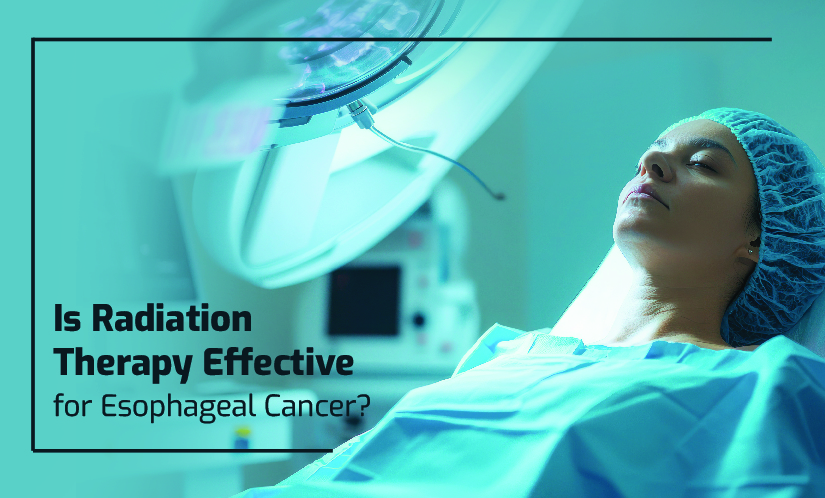
Radiation Therapy for Esophageal Cancer
Esophageal cancer – a condition where cancer cell grows in the esophagus, the long, hollow tube connecting to the throat to the stomach – is not just a medical diagnosis. It’s a life- altering moment that brings with it a storm of question, fears, and decision. One of the most common question people ask after a diagnosis is:
“Is radiation therapy really effective for esophageal cancer?”
What is Radiation Therapy?
Radiation therapy is a cancer treatment that uses high-energy beams- usually X-rays- to kill the cancer cell or stop them from growing. Think of it as a very focused light that targets only the area of the tumor, trying to destroy it while sparing as much of the healthy surrounding tissue as possible.
There are two main types of radiation therapy for esophageal cancer:
1. External Beam Radiation Therapy (EBRT): This is the most common form. A machine sends radiation directly to the esophagus from outside the body.
2. Internal Radiation Therapy (Brachytherapy): In this method, a radioactive source is placed inside the body, close to the tumor, offering a more targeted close.
Why Is Radiation Therapy Used for Esophageal Cancer?
Radiation therapy doesn’t always come alone. In most cases, it’s part of a larger, strategic plan that may involve surgery and chemotherapy too. Here are the key roles it plays:
1. To Shrink the Tumor Before Surgery (Neoadjuvant Therapy):
Sometimes, the tumor is too large or too close to critical organs like the windpipe or major blood vessels. Radiation is used to shrink the tumor before surgery so it becomes easier and safer to remove.
Dr Sanjay Sharma, a skilled esophageal cancer surgeon in Bandra, often emphasizes that in many borderline operable cases, this approach can make all the difference between a successful surgery and one with major complications.
2. As a Primary Treatment When Surgery isn’t Possible:
Not everyone is fit for surgery. Some patients are elderly, have other illnesses, or the cancer has spread too much. In these cases, radiation therapy becomes the main treatment to control the disease, reduce symptoms, and extend life.
3. To Relieve Symptoms (Palliative Radiation):
When esophageal cancer causes painful swallowing or bleeding, radiation can ease these symptoms. This form of treatment doesn’t aim to cure, but rather to improve quality of life.
4. After Surgery ( Adjuvant Therapy):
Sometimes, after removing the tumor, doctors recommend radiation to destroy any leftover cancer cells that couldn’t be seen during surgery. This reduces the risk of the cancer coming back.
How Effective Is Radiation Therapy?
The Good News: It Works—If Used Correctly
Radiation therapy has proven to be very effective in reducing tumor size, managing symptoms, and improving survival when combined with other treatments. But it’s not a magic bullet. Its effectiveness depends on:
- The stage of cancer
- The location and size of the tumor
- The patient’s overall health
- Whether radiation is used alone or with other treatments.
Numbers Tell the Story:
- When combined with chemotherapy (called chemoradiotherapy), radiation therapy can increase survival rates in locally advanced esophageal cancer.
- Radiation before surgery has shown better survival compared to surgery alone.
- In early-stage esophageal cancer, radiation can provide good local control, especially in patients who cannot undergo surgery.
According to Dr Sanjay Sharma, an esophageal cancer expert in Cumballa Hill, timely and well-planned radiation therapy can change the course of the disease dramatically. In his clinical experience, patients who received neoadjuvant chemoradiation followed by surgery had significantly better outcomes than those who choose only one treatment option.
The Role of Chemoradiotherapy: A Powerful Combo:
Radiation therapy is most often paired with chemotherapy drugs. These drugs make cancer cells more sensitive to radiation. This combination is especially useful when:
- Surgery is not an option
- The tumor is locally advanced (spread to nearby lymph nodes but not distant organs)
- The goal is to shrink the tumor before surgery
This combination has now become the standard of care for many cases of esophageal cancer. For patients being treated under specialists like Dr Sanjay Sharma, the personalized treatment plan might involve multiple sessions over weeks, but the results are often worth it.
Side Effects: What to Expect?
Like all treatments, radiation therapy comes with side effects. Not everyone experiences them in the same way, and most are temporary. Still, it’s important to be prepared:
Common Side Effects:
- Difficulty swallowing
- Fatigue
- Sore throat
- Skin changes in the treated area
- Heartburn or acid reflux
- Nausea
With expert support, most side effects are manageable. At cancer centers in Mumbai where Dr Sanjay Sharma practices, care teams provide nutritional support, medications, and counseling to help patients cope.
New Advances in Radiation: Making It Safer and Smarter
Technology has come a long way. Today, doctors use precise imaging and planning systems to direct radiation beams only to the tumor, sparing healthy tissues like the lungs and heart. Some of the new techniques include:
- IMRT (Intensity-Modulated Radiation Therapy): Adjusts the intensity of radiation beams based on the tumor’s shape.
- IGRT (Image-Guided Radiation Therapy): Uses imaging during each treatment to target the tumor more accurately.
- Proton Therapy: A newer form of radiation that delivers energy directly to the tumor with fewer side effects (available in select centers).
These methods are now being adopted by leading cancer centers in India. As an esophageal cancer specialist in Mumbai, Dr Sanjay Sharma keeps his practice updated with these technologies to ensure the safest and most effective treatment outcomes for his patients.
What Patients Should Know Before Starting Radiation?
If you or your loved one is about to start radiation therapy for esophageal cancer, here are a few practical tips:
- Ask Questions: Understand the plan—how many sessions, what drugs are used, what side effects to expect.
- Eat Smart: A soft, nutritious diet helps. Many patients face trouble swallowing, so smoothies, soups, and pureed foods are often recommended
- Stay Hydrated: Drink enough fluids to avoid dehydration, unless restricted for other medical reasons.
- Rest is Essential: Your body is doing some serious work—give it time to recover.
- Trust Your Team: Choose an experienced doctor like Dr Sanjay Sharma, a leading esophageal cancer surgeon in Bandra, who understands not just the disease but the person behind the diagnosis.
Is Radiation Therapy Effective?
Yes, radiation therapy is effective for esophageal cancer—when used wisely and in the right setting.
It is not a one-size-fits-all solution, but when personalized, combined with other treatments, and managed well, it offers real hope. Whether it’s reducing the size of the tumor, relieving pain, or offering a chance at cure—radiation therapy has earned its place in the fight against esophageal cancer.
If you or someone you know is going through this journey, it helps to connect with a seasoned specialist. Dr Sanjay Sharma, known as a trusted Esophageal Cancer Specialist in Mumbai, continues to guide patients with not just medical expertise but also genuine care and support, especially in areas like Cumballa Hill and Bandra.
Recent Articles
Dense Breasts and Breast Cancer: When Is a Mammogram Not Enough? | Dr. Sanjay Sharma
Read More
How Quickly Should Breast Cancer Treatment Start After Diagnosis? | Dr. Sanjay Sharma
Read More