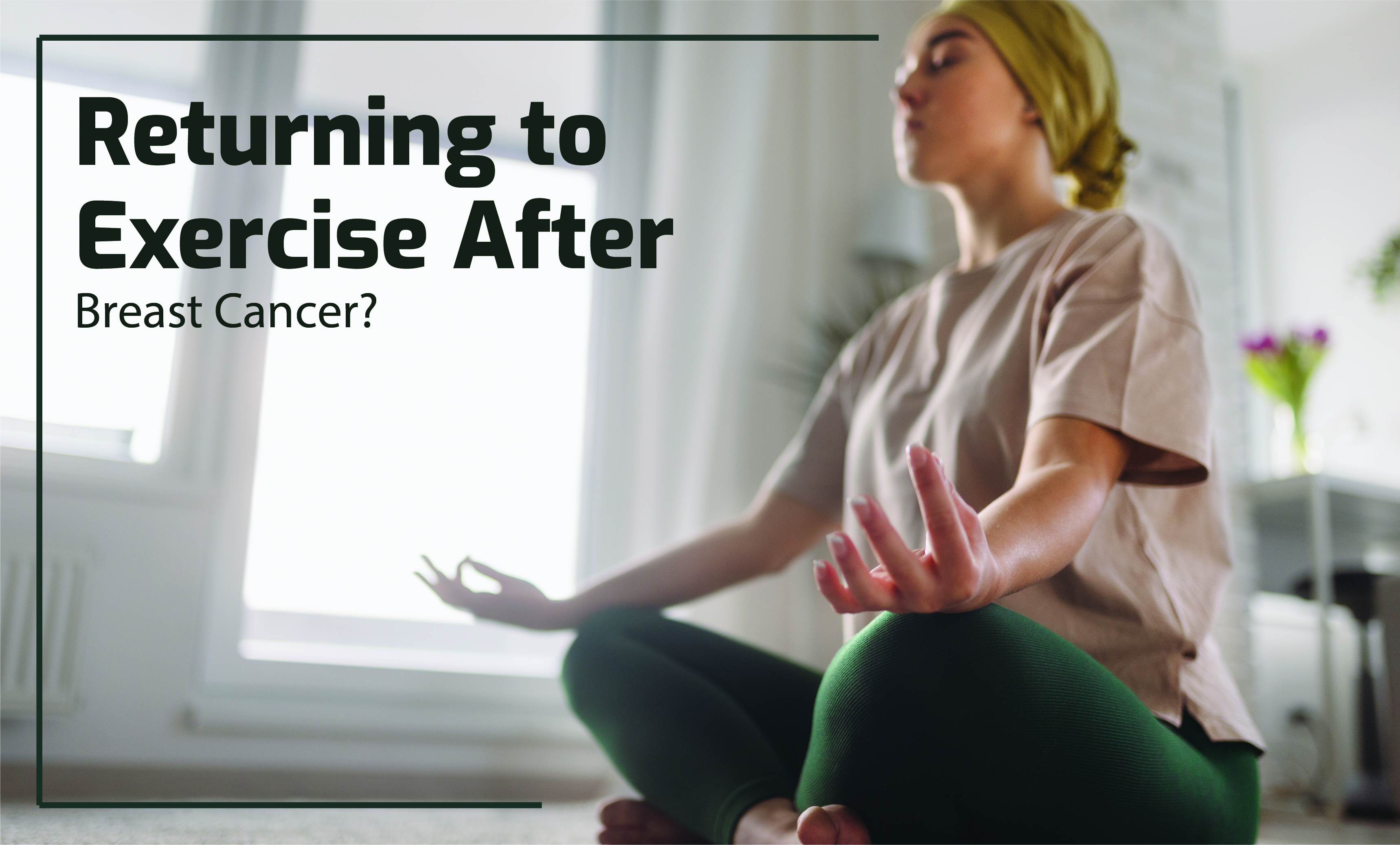
Returning to Exercise After Breast Cancer | Dr. Sanjay Sharma
Recovering from breast cancer is not just about finishing treatment—it's about rebuilding life with strength, energy, and hope. One of the most powerful ways to heal the body and mind after breast cancer is exercise.
But for most women, the question is not “Should I exercise?”—it’s “How do I safely get back to it?”
Why Exercise Matters After Breast Cancer?
Many women hesitate to return to physical activity after surgery, radiation, or chemotherapy. Fatigue, pain, stiffness, fear of injury, and emotional stress can make exercise feel intimidating.
However, studies and clinical experiences from experts such as Dr. Sanjay Sharma, one of the leading voices in rehabilitation as the Best breast cancer doctor in Mumbai, consistently show that exercise is one of the best medicines for recovery.
Benefits of Exercise After Breast Cancer
1. Reduces fatigue: Cancer-related fatigue is different from regular tiredness. Exercise boosts blood flow, oxygen delivery, and energy levels.
2. Supports emotional healing: Movement releases endorphins — natural mood lifters. This helps reduce anxiety, stress, and depression.
3. Improves arm mobility and reduces stiffness: After breast surgery or radiation, the shoulder and arm can feel tight. Exercise helps regain mobility.
4. Helps prevent lymphedema: Gentle movements and strength training lower the risk of arm swelling by improving lymphatic flow.
5. Builds muscle strength: Chemotherapy and hormonal therapy can weaken muscles and bones. Exercise helps rebuild strength steadily.
6. Supports healthy weight: Maintaining a stable weight reduces the risk of recurrence and improves long-term health.
7. Restores confidence: Feeling physically stronger helps women feel emotionally stronger — and more in control of their journey.
No treatment or medicine alone can offer all these benefits at once.
When Can You Start Exercising?
Your timeline depends on:
- The type of surgery (lumpectomy, mastectomy, reconstruction)
- Whether lymph nodes were removed
- Whether you had radiation
- Your energy levels during chemotherapy
- Whether you’re still on hormonal therapy
Most women can begin gentle exercises within days after surgery—but only after their doctor approves it.
According to clinical guidance followed by experts like Dr. Sanjay Sharma, a widely consulted breast cancer specialist in Cumballa Hospital, the safest recovery begins with small, slow steps.
1. Week 1–3 after surgery: (Gentle movement phase)
- Deep breathing exercises
- Gentle arm lifts
- Slow shoulder circles
- Walking around your home
These exercises prevent stiffness and improve lung capacity.
2. Week 3–6: (Stretching + light mobility)
- Wall climbing stretch
- Chest opening stretches
- Increasing walking duration
- Easy yoga stretches
No heavy lifting, pushing, or pulling yet.
3. 6 weeks onwards: (Stronger movements once cleared by doctor)
- Brisk walking
- Light stretching training
- Swimming
- Cycling
- Low-impact aerobics
- Beginner friendly yoga
At this stage, many patients under the care of specialists like Dr. Sanjay Sharma, highly regarded as the breast cancer doctor in Bandra, begin building structured exercise routines guided by physiotherapists.
Important: NEVER start heavy exercise without medical clearance
Every woman’s body heals differently.
Your oncologist knows your case best.
Specialists such as Dr. Sanjay Sharma, respected as the Best breast cancer doctor in Mumbai, always emphasize that safe recovery comes from personalized, step-by-step progress—not rushing the body.
Types of Exercises You Can Do After Breast Cancer:
1. Deep Breathing Exercises: After surgery or radiation, your chest muscles may feel tight.
Deep breathing:
- Improves lung capacity
- Relieves tension
- Helps with pain
- Supports lymph flow
Try this: Deep Belly Breathing:
- Sit upright.
- Inhale slowly through the nose, filling the belly.
- Hold for 2 seconds.
- Exhale gently.
- Repeat 5–10 times.
2. Gentle Stretching: Stretching is crucial for shoulder mobility, especially if lymph nodes were removed.
Recommended stretches:
- Shoulder rolls
- Arm slide on table
- Wall climbing stretch
- Chest opener stretch
These prevent scar tissue from tightening and help restore full range of motion
3. Walking – The Best Starting Exercise: Walking is safe, simple, and incredibly effective.
Benefits:
- Boosts stamina
- Improves mood
- Reduces stiffness
- Helps weight management
Start with 5–10 minutes, then increase gradually.
4. Strength Training:
Yes — strength training is safe!
Research shows it does not increase lymphedema risk when done gradually.
You can start with:
- 0.5–1 kg weights
- Resistance bands
- Your own body weight
Strength training builds confidence and helps women feel strong again—physically and mentally.
Experts like Dr. Sanjay Sharma, a well-known breast cancer specialist in Cumballa Hospital, encourage women to adopt slow, progressive training once cleared.
5. Yoga: Yoga helps with:
- Flexibility
- Balance
- Stress Reduction
- Mind-body connection
- Posture imporvement
Breast cancer survivors often find yoga emotionally therapeutic.
Gentle forms like Hatha, restorative yoga, or chair yoga are great beginnings.
6. Swimming: Swimming is excellent because:
- It is low-impact
- It improves lung function
- It strengthens multiple muscles
- Water pressure supports lymphatic movement
But always wait until your surgical incisions fully heal.
Exercises to Avoid Initially:
- Heavy weight lifting
- Push-ups or intense upper-body workouts
- High-intensity training
- Activities with a risk of injury (boxing, contact sports)
- Swimming before the wound heals
- Lifting heavy bags with the affected arm
Your doctor’s advice should guide your pace. Specialists like Dr. Sanjay Sharma, trusted as a leading breast cancer doctor in Bandra, tailor exercise plans depending on your surgery and overall recovery.
Returning to Exercise After Different Breast Cancer Treatments
1. After Lumpectomy: Most women recover faster.
- Gentle shoulder movements in a few days
- Light cardio after 2 weeks
- Strength training after 4–6 weeks (with approval)
2. After Mastectomy: Healing may take longer because more tissues are involved.
- Gentle stretching for 2–3 weeks
- Strength training only after 6–8 weeks
- Avoid overhead heavy lifting initially
- Physiotherapy recommended
3. After Reconstruction: Recovery depends on implant vs. flap reconstruction.
Implant reconstruction:
- Avoid chest exercises early
- Gentle mobility exercises only
Flap reconstruction:
- Avoid strenuous activity for several weeks
- Core exercises restricted early on
- Follow a guided rehab plan
Experts such as Dr. Sanjay Sharma, widely regarded as the Best breast cancer doctor in Mumbai, emphasize tailored rehabilitation for reconstruction patients.
4. After Radiation Therapy: Radiation can cause:
- Tightness
- Skin sensitivity
- Shoulder stiffness
Stretching becomes extremely important.
Continue gentle exercises throughout radiation for better outcomes.
5. During Hormonal Therapy: Many women experience:
- Joint pain
- Weight gain
- Mood changes
- Bone density reduction
Exercise—especially strength training—helps manage all of these side effects.
Warning Signs — Stop Exercise Immediately If You Feel:
- Sudden swelling in the arm
- Severe chest pain
- Dizziness or faintness
- Shortness of breath
- Sharp pain around the incision
Seek immediate medical guidance
Emotional Healing Through Exercise
Returning to exercise is not only a physical journey — it is deeply emotional.
Women often say:
- “I feel like myself again.”
- “I didn’t think I could ever do this.”
- “I feel stronger than before.”
Exercise gives back:
- Confidence
- Control
- Positivity
- Purpose
It reminds you that your body is still capable of amazing things.
Specialists like Dr. Sanjay Sharma, respected both as a breast cancer doctor in Bandra and a leading mentor for survivorship care in Mumbai, emphasize emotional well-being as part of healing.
Lifestyle Tips to Support Your Exercise Journey
- Stay Hydrated: Breast cancer survivors are more prone to dehydration.
- Eat a balanced diet: Protein, fruits, vegetables, and whole grains support energy.
- Get proper sleep: Helps recovery and reduces fatigue.
- Wear comfortable, supportive bras: Especially after surgery or reconstruction.
- Track your progress: Celebrate small wins.
When Should You Consult Your Doctor?
Before starting exercise, speak to your oncologist—especially if you had:
- Lymph node removal
- Reconstruction
- Ongoing therapies
- Mobility restrictions
Experienced specialists like Dr. Sanjay Sharma, considered the Best breast cancer doctor in Mumbai, guide patients with personalized rehabilitation plans.
Recovering from breast cancer is not a straight path.
Some days you will feel strong.
Some days you may have pain, fatigue, or fear.
But what matters is consistency.
Whether you start with:
- 5 minutes of walking
- A few gentle exercise
- Light breathing exercise
Every movement counts.
Every step brings you closer to strength, confidence, and healing.
With guidance from your medical team—including experts like Dr. Sanjay Sharma, a leading breast cancer specialist in Cumballa Hospital—you can safely return to exercise and rediscover the joy of movement.
Your body has survived cancer.
Recent Articles
Dense Breasts and Breast Cancer: When Is a Mammogram Not Enough? | Dr. Sanjay Sharma
Read More
How Quickly Should Breast Cancer Treatment Start After Diagnosis? | Dr. Sanjay Sharma
Read More