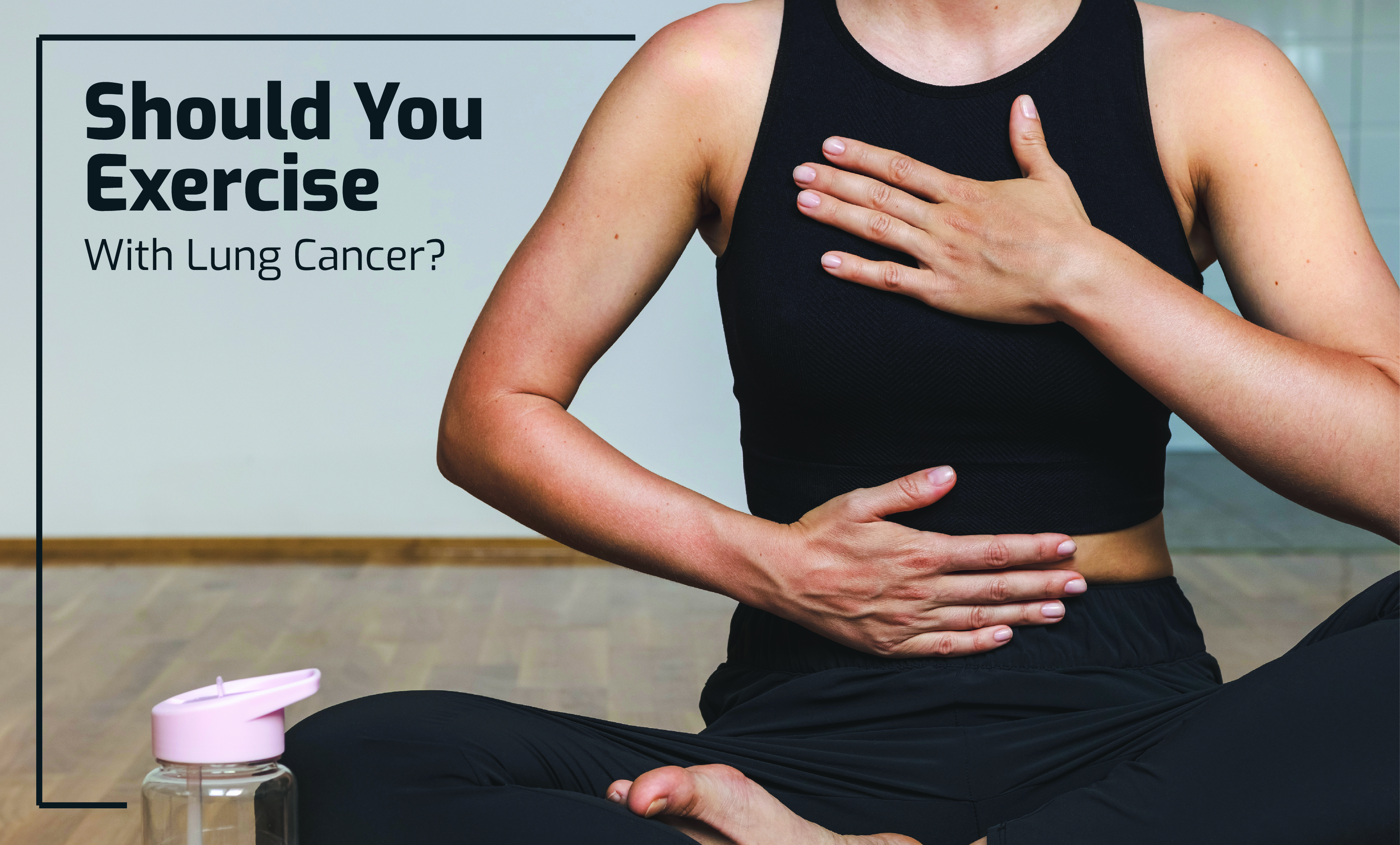
Should You Exercise With Lung Cancer?
Breaking the Myth and Discovering the Benefits of Safe Movement during Cancer Care.
When someone is diagnosed with lung cancer, their world changes instantly. Everything- from how they breathe to how they sleep-feels different. Questions come rushing in: what treatments are needed? Will the medications work? Can life go back to normal? And somewhere in the middle of this overwhelming journey, one more question quietly enters the conversation: Can I still exercise while battling lung cancer?
This question is not just common but deeply important. For a long time, people believed that rest was the only thing a cancer patient needed. But modern oncology and expert like Dr. Sanjay Sharma, a reputed lung cancer specialist in Mumbai, believe in a more balanced and holistic approach. Rest is important- but so is movement. Safe, doctor-guided movement has the power to make a significant difference in how a patient feels, functions, and heals.
Understanding Lung Cancer and Its Impact on the Body:
Lung cancer directly affects the body’s ability to breathe and absorb oxygen. As the lungs are central to the respiratory system, cancerous growth in them disrupts normal airflow and lung expansion. This leads to breathlessness, coughing, and fatigue. In addition, cancer treatment- be it chemotherapy. Surgery, radiation or targeted therapy- can lower energy levels, reduce appetite, and cause muscle loss.
The result? A body that feel more tired, weak, and unable to do basic daily task.
This is where gentle exercise can help. Not to push the body harder, but to help it recover better. Under the right guidance, physical activity helps improve breathing, reduce stiffness, boost mood, and restore some level of strength.
According to Dr. Sanjay Sharma, known as the best lung cancer doctor in Cumballa hospital, the most effective lung cancer treatments today are not only clinical-they also involve supportive care practices like breathing exercises and gentle physical activity tailored to the patient’s stage and stamina.
Why Exercise Might be Helpful during Lung Cancer Treatment?
When someone hears the word “exercise”, they often think of gyms, weights, or running. But in the context of lung cancer, exercise is very different. It’s most about movement than muscle. It’s about keeping the body in motion so that circulation improves, oxygen reaches cells better, and stiffness doesn’t settle.
Exercise helps lungs cancer patients in many ways. It can improve the strength of breathing muscles, support heart health, and reduce side effects of treatments such as fatigue and depression, it can also help in improving balance, reducing the risk of falls, and maintaining independence.
The key is personalization. Every patient is different. Their cancer type, stage, symptoms, and treatment plan determine how much and what kind of exercise is safe.
Breathing Exercises: The Foundation of Lung Cancer Rehabilitation:
One of the most important types of movements for lung cancer patients is breathing exercise. These exercises are designed to strength the diaphragm and intercostal muscles, improve lung capacity, and make breathing easier.
Simple practices like slow inhalation, pursed lip breathing, or belly breathing can make difference over time. These techniques help reduce the feeling of breathlessness and improve oxygen exchange.
Specialist like Dr. Sanjay Sharma, a respected lung cancer specialist in Mumbai, often include respiratory training as a non-negotiable part of lung cancer management. Whether the patient is newly diagnosed or recovering from surgery, learning how to breathe more effectively is always helpful.
Exercise and Chemotherapy: Can They Work Together?
Chemotherapy is a powerful treatment that helps destroy cancer cells but can also cause side-effects like nausea, weakness, and fatigue. During chemotherapy, the thought of exercising may feel impossible. However, doing some form of movement- even if it’s gentle stretching or walking indoors – can help combat the fatigue that often comes from treatment.
Light movement can also improve blood circulation, which helps medications move efficiently through the body and may even help reduce nausea. Of course, any activity must be approved by the treating doctor, especially if blood counts are low or there is a risk of infection.
In Mumbai, patients receiving lung cancer treatment in Cumballa Hospital benefit from integrated care that balances cancer therapy with supportive practices. Physical rehabilitation is often recommended as part of overall cancer care, especially for those undergoing chemo and radiation.
Surgery Recovery and Movement: Finding the Balance:
For patients undergoing lung cancer surgery- especially lung resection, lobectomy, or pneumonectomy— recovery takes time. Pain, chest tightness, and reduced breathing function are common after surgery. While rest is crucial, complete immobility can be harmful. Staying still for long can increase the risk of blood clots, pneumonia, and muscle stiffness.
After surgery, doctors generally recommend light movement within a few days- like sitting up, walking short distances, or doing basic leg structures. As healing progresses, more activity can be added gradually.
Dr. Sanjay Sharma, regarded by many as the best lung cancer doctor in Cumballa Hospital, stresses the importance of breathing exercises and guided movement soon after surgery.
The Mental Health Connection: How Exercise lifts the spirit:
Cancer doesn’t just affect the body. It also take a toll on the mind. Anxiety, depression, sleeplessness, and fear are common emotional challenges faced by lung cancer patients. Exercise, even in its mildest form, can act as a powerful mood-lifter.
When you move your body, you release endorphins- hormones that naturally make you feel better. Exercise can also improve your sense of control, reduce feelings of helplessness, and make you feel more connected to your body in a positive way.
Dr. Sanjay Sharma and team often encourages mindfulness, light yoga, and breathing meditation to help patients manage stress, fear, and fatigue. These practices are not strenuous, yet they work wonders when done regularly.
When Exercise Might Not Be Safe?
While exercise has many benefits, there are times when rest is more appropriate. Patients must avoid any form of movement that puts strains on the chest or worsen breathing, if someone has severe fatigue, dizziness, uncontrolled pain, low platelet count, fever, or ongoing infections, then complete rest or only passive movement is recommended until recovery begins.
That’s why medical guidance is essential. No patient should begin any activity plan without approval from their oncologist. Dr. Sanjay Sharma, a widely respected lung cancer specialist in Mumbai, always recommends a complete physical and respiratory assessment before suggesting exercise to any patient.
Settings Realistic Goals: How to Begin Moving Again?
If you are a lung cancer patient, or caring for someone who is, know that you don’t have to start big. Begin with a few minutes of gentle stretching or a short walk. Use a chair or wall for support if needed. Increase your activity slowly or steadily, always keeping comfort and safety in mind.
Even small movements- like raising arms overhead, rotating the ankles, or stretching the back- can prevent stiffness and support circulation. Breathing techniques can be done lying down, sitting, or standing depending on the patient’s comfort.
Experts like Dr. Sanjay Sharma, working in reputed institutions like Cumballa hospital and associated with multidisciplinary care teams, help patients set step-by-step goals that are practical and sustainable. Movement is treated as medicine-given in the right dose, at the right time.
Doctors leading the way in Integrated Cancer Care:
Modern cancer care goes beyond just treating the tumor. It includes healing the whole person- body, mind, and spirit. Doctors like Dr. Sanjay Sharma ate leading the way in this integrated approach. They provide not only world-class medical treatment but also emotional support, diet guidance, and gentle physical therapy.
Healing Happens with Movements:
The idea that exercise and cancer treatment cannot go together is outdated. With proper medical support, guided movement can become a powerful part of healing. Whether it’s a breathing exercise, a short walk, or seated stretching, every bit of activity helps.
Exercise improves oxygen usage, supports emotional wellbeing, strengthens the body, and prepares patients for better recovery. But it must always be done under supervision, especially for those with lung conditions.
If you are undergoing lung cancer treatment or supporting someone who is, talk to your oncologist about what kind of activity is safe. Specialists like Dr. Sanjay Sharma, among the most trusted names for lung cancer treatment in Mumbai, offer patient-friendly advice on how to include movement in a cancer recovery plan.
Recent Articles
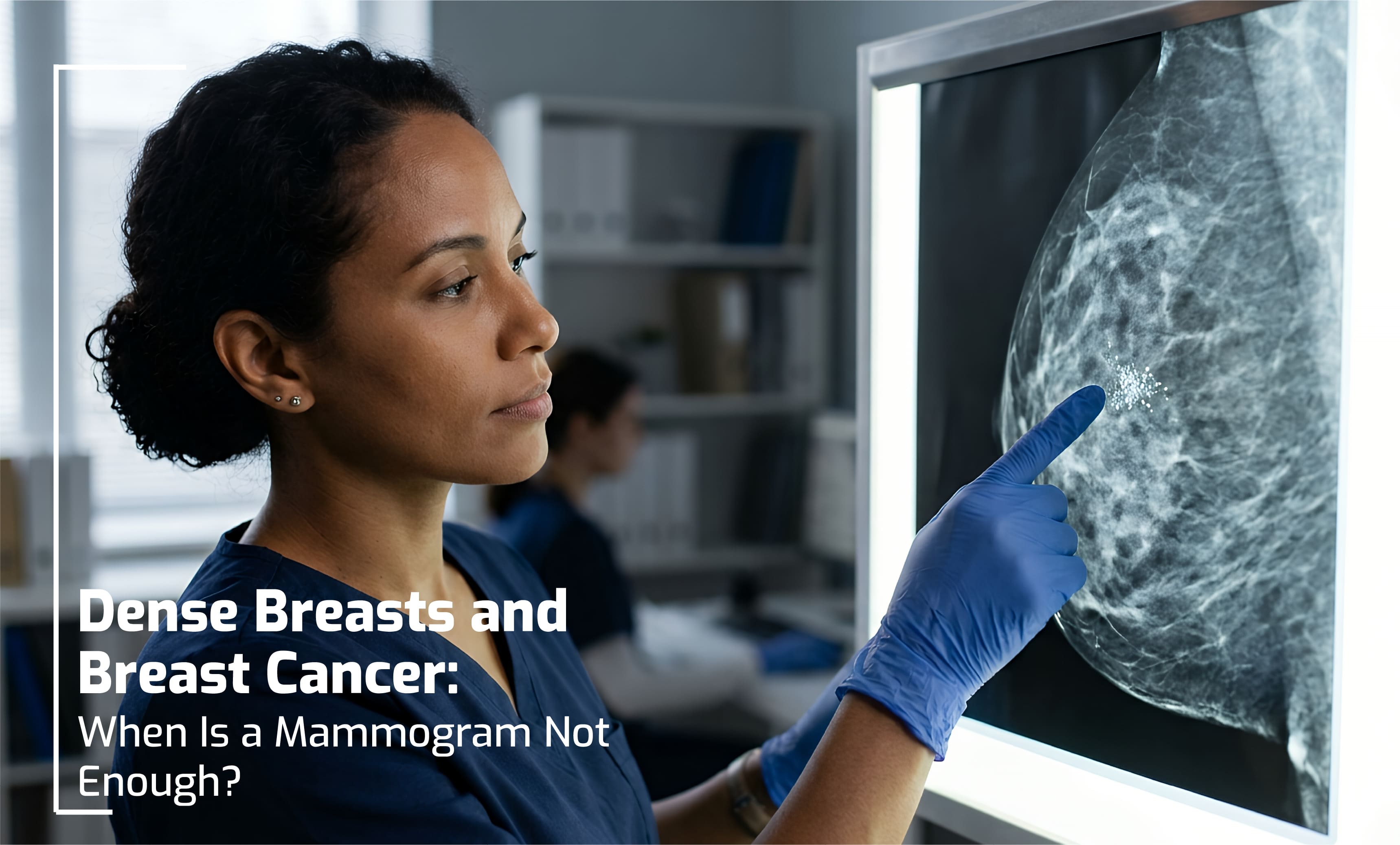
Dense Breasts and Breast Cancer: When Is a Mammogram Not Enough? | Dr. Sanjay Sharma
Read More
How Quickly Should Breast Cancer Treatment Start After Diagnosis? | Dr. Sanjay Sharma
Read More