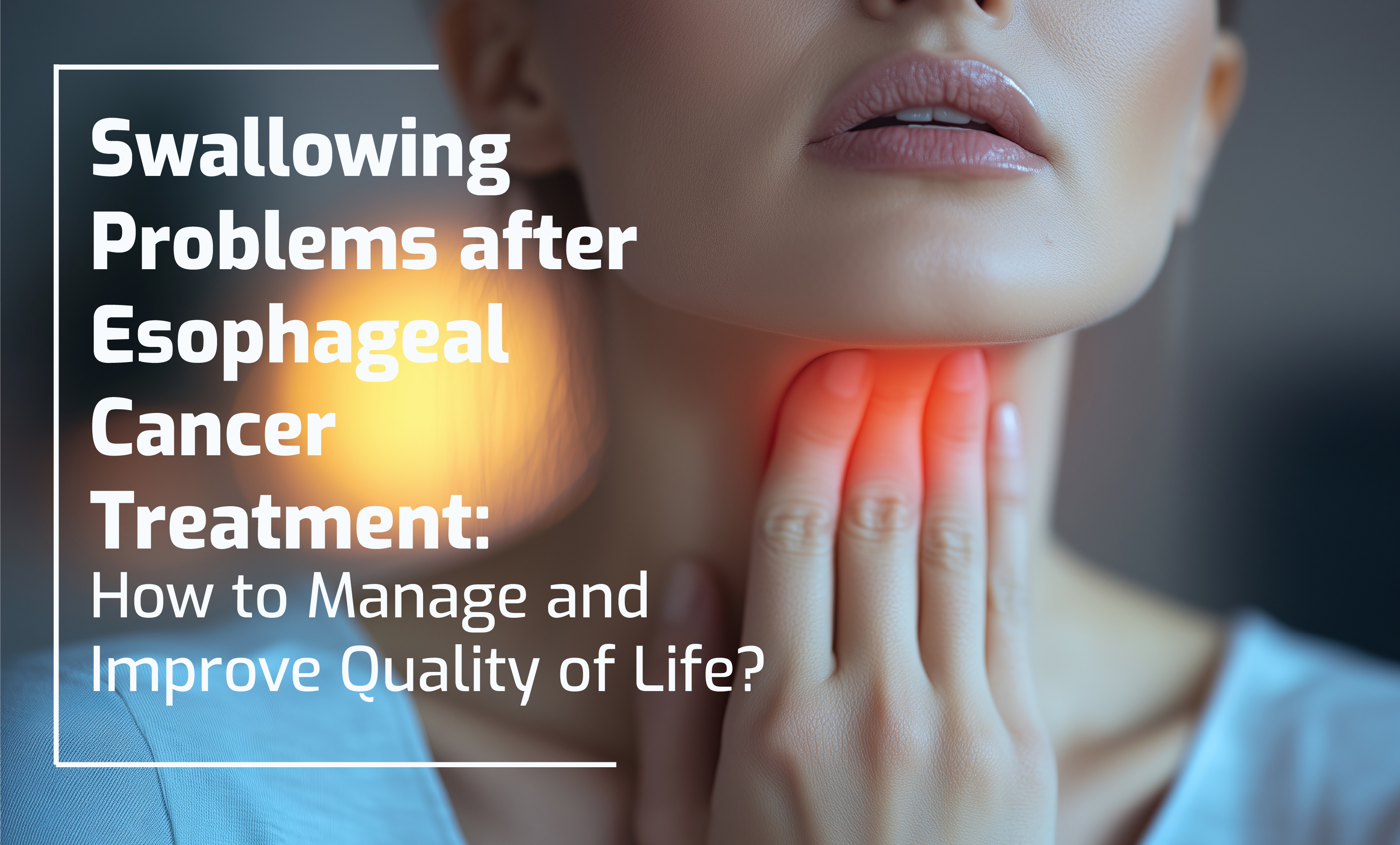
Swallowing Problems after Esophageal Cancer Treatment | Dr. Sanjay Sharma
Swallowing Problems after Esophageal Cancer Treatment: How to Manage and Improve Quality of Life?
Swallowing is something most of us never think about—until it becomes difficult. For patients who have gone through esophageal cancer treatment, swallowing problems can be one of the most challenging and emotionally draining side effects. Eating is not just about nutrition; it is about comfort, social connection, and enjoying daily life. When swallowing becomes painful, slow, or unsafe, it can deeply affect both physical health and mental well-being.
If you or your loved one has been treated for esophageal cancer, it is important to know that swallowing difficulties are common but they are also manageable. With the right medical guidance, nutritional care, and lifestyle changes, many patients experience improvement over time.
Understanding the Esophagus and Its Role in Swallowing:
The esophagus is a muscular tube that connects the throat to the stomach. Its main job is to move food and liquids downward using coordinated muscle contractions. When the esophagus is healthy, swallowing happens smoothly and effortlessly.
However, esophageal cancer affects this delicate structure. The tumor itself, as well as treatments like surgery, chemotherapy, and radiation, can change how the esophagus works. As a result, many patients experience swallowing difficulties also called dysphagia.
Why Swallowing Problems Occur After Esophageal Cancer Treatment?
Swallowing problems after esophageal cancer treatment do not happen for just one reason. Often, it is a combination of factors.
Effect of the Cancer Itself:
Before treatment even begins, esophageal cancer can narrow the food passage. This narrowing makes it difficult for solid foods—and sometimes even liquids to pass through easily.
Impact of Esophageal Cancer Surgery
Esophageal cancer surgery, such as esophagectomy, involves removing part or all of the esophagus. While this surgery can be life-saving, it also changes the natural anatomy of swallowing. After surgery, food may move more slowly, or patients may feel full very quickly.
Experienced surgeons like Dr. Sanjay Sharma, an expert esophageal cancer surgeon in Cumballa Hospital, focus not only on cancer removal but also on preserving swallowing function as much as possible.
Radiation Therapy Side Effects:
Radiation can cause inflammation, stiffness, and scarring of the esophagus. This may lead to pain while swallowing or a sensation that food is getting stuck.
Chemotherapy Effects:
Chemotherapy can cause mouth sores, dry mouth, and weakness, which indirectly affect swallowing. When combined with radiation, these effects can be more pronounced.
Common Swallowing Problems After Esophageal Cancer Treatment:
Swallowing issues may vary from person to person. Some common symptoms include:
- Difficulty swallowing solid foods
- Pain or burning sensation while swallowing
- Feeling that food is stuck in the chest
- Frequent coughing or choking while eating
- Regurgitation of food
- Unintentional weight loss
- Fear of eating due to discomfort
If any of these symptoms persist, it is important to consult an experienced esophageal cancer specialist in Mumbai for evaluation and guidance.
Emotional and Psychological Impact of Swallowing Problems:
Swallowing difficulties do not only affect the body—they affect the mind too. Many patients feel anxious during meals, avoid eating in public, or feel frustrated when they cannot enjoy their favorite foods.
It is completely normal to feel overwhelmed. Acknowledging these feelings and discussing them with your healthcare team, family, or a counselor can help ease emotional stress during recovery.
How Long Do Swallowing Problems Last?
Recovery timelines vary widely. Some patients notice improvement within weeks, while others may take months. In certain cases, swallowing problems can become long-term, especially after extensive esophageal cancer surgery or radiation.
The key is regular follow-up and personalized care. With guidance from specialists like Dr. Sanjay Sharma, many patients can achieve better swallowing function and improved quality of life.
Medical Evaluation for Swallowing Problems:
If swallowing difficulties persist, your doctor may recommend tests such as:
- Endoscopy to examine the esophagus
- Barium swallow test to see how food moves down
- Imaging scans to rule out recurrence or strictures
An experienced esophageal cancer doctor in Bandra can interpret these tests accurately and suggest appropriate treatment options.
Medical Treatments to Improve Swallowing:
Several medical interventions can help manage swallowing problems after esophageal cancer treatment.
Esophageal Dilation:
If the esophagus has narrowed due to scarring, doctors may gently stretch it using special instruments. This procedure can significantly improve swallowing in many patients.
Medications:
Medicines may be prescribed to reduce acid reflux, inflammation, or pain, making swallowing more comfortable.
Feeding Tubes (Temporary Support):
In some cases, temporary feeding tubes may be used to ensure proper nutrition while swallowing improves. This is not a failure—it is a supportive step toward recovery.
Swallowing Therapy: A Key Part of Recovery:
Speech and swallowing therapists play a vital role in rehabilitation after esophageal cancer surgery. They teach exercises that strengthen swallowing muscles and improve coordination.
These therapies are safe, effective, and customized to each patient’s needs. Many patients notice gradual improvement with consistent practice.
Diet Tips for Managing Swallowing Problems:
Diet plays a huge role in managing swallowing difficulties.
Start with Soft Foods: Soft, moist foods are easier to swallow. Examples include mashed vegetables, porridge, yogurt, soups, and well-cooked rice.
Take Small Bites and Chew Well: Eating slowly and chewing thoroughly reduces the risk of choking.
Avoid Dry and Hard Foods: Dry bread, crackers, and tough meats can be difficult to swallow and should be avoided initially.
Stay Upright While Eating: Sitting upright helps food move downward more easily and prevents reflux.
Drink Fluids Wisely: Sipping water between bites can help, but some patients may need thickened liquids if advised by their doctor.
Importance of Nutrition After Esophageal Cancer Treatment:
Maintaining proper nutrition is critical for healing, energy, and immunity. Swallowing problems can make this difficult, leading to weight loss and weakness.
Working with a dietitian, along with guidance from an esophageal cancer specialist in Mumbai, ensures that patients receive enough calories and nutrients in a safe way.
Managing Acid Reflux and Heartburn:
Acid reflux is common after esophageal cancer surgery and can worsen swallowing problems.
Tips to manage reflux include:
- Eating smaller meals
- Avoiding spicy and oily foods
- Not lying down immediately after eating
- Elevating the head while sleeping
- Taking prescribed medications regularly
Lifestyle Changes That Support Swallowing Recovery:
Simple lifestyle adjustments can make a big difference:
- Quit smoking and avoid alcohol
- Maintain a healthy daily routine
- Practice relaxation techniques to reduce meal-time anxiety
- Stay physically active as advised by your doctor
When to Seek Medical Help Urgently?
Contact your doctor immediately if you experience:
- Sudden worsening of swallowing
- Severe chest pain
- Persistent vomiting
- Signs of dehydration
- Rapid weight loss
Prompt evaluation by an expert like Dr. Sanjay Sharma, a trusted esophageal cancer surgeon in Cumbala Hospital, can prevent complications.
Role of Expert Care in Long-Term Swallowing Health:
Managing swallowing problems is not a one-time process. It requires ongoing monitoring, timely interventions, and compassionate care.
Choosing the right doctor makes a huge difference. An experienced esophaegal cancer doctor in Bandra understands not only cancer treatment but also life after treatment.
Dr. Sanjay Sharma, a highly regarded esophageal cancer specialist in Mumbai, focuses on holistic recovery—helping patients regain confidence in eating, strength in their bodies, and hope in their daily lives.
Life After Esophageal Cancer: Moving Forward with Confidence:
Swallowing problems after esophageal cancer treatment can feel discouraging, but they do not define your future. With patience, proper medical care, and support, many patients adapt well and enjoy fulfilling lives.
Recovery is not about rushing—it is about steady progress, self-care, and trusting your healthcare team.
Swallowing difficulties are a common but manageable challenge after esophageal cancer surgery and other treatments. Understanding the causes, recognizing symptoms early, and following a structured care plan can significantly improve outcomes.
If you or your loved one is facing ongoing swallowing problems, consulting an experienced expert like Dr. Sanjay Sharma, an acclaimed esophageal cancer surgeon in Cumbala Hospital and a reliable esophageal cancer specialist in Mumbai, can make all the difference.
Recent Articles
Dense Breasts and Breast Cancer: When Is a Mammogram Not Enough? | Dr. Sanjay Sharma
Read More
How Quickly Should Breast Cancer Treatment Start After Diagnosis? | Dr. Sanjay Sharma
Read More