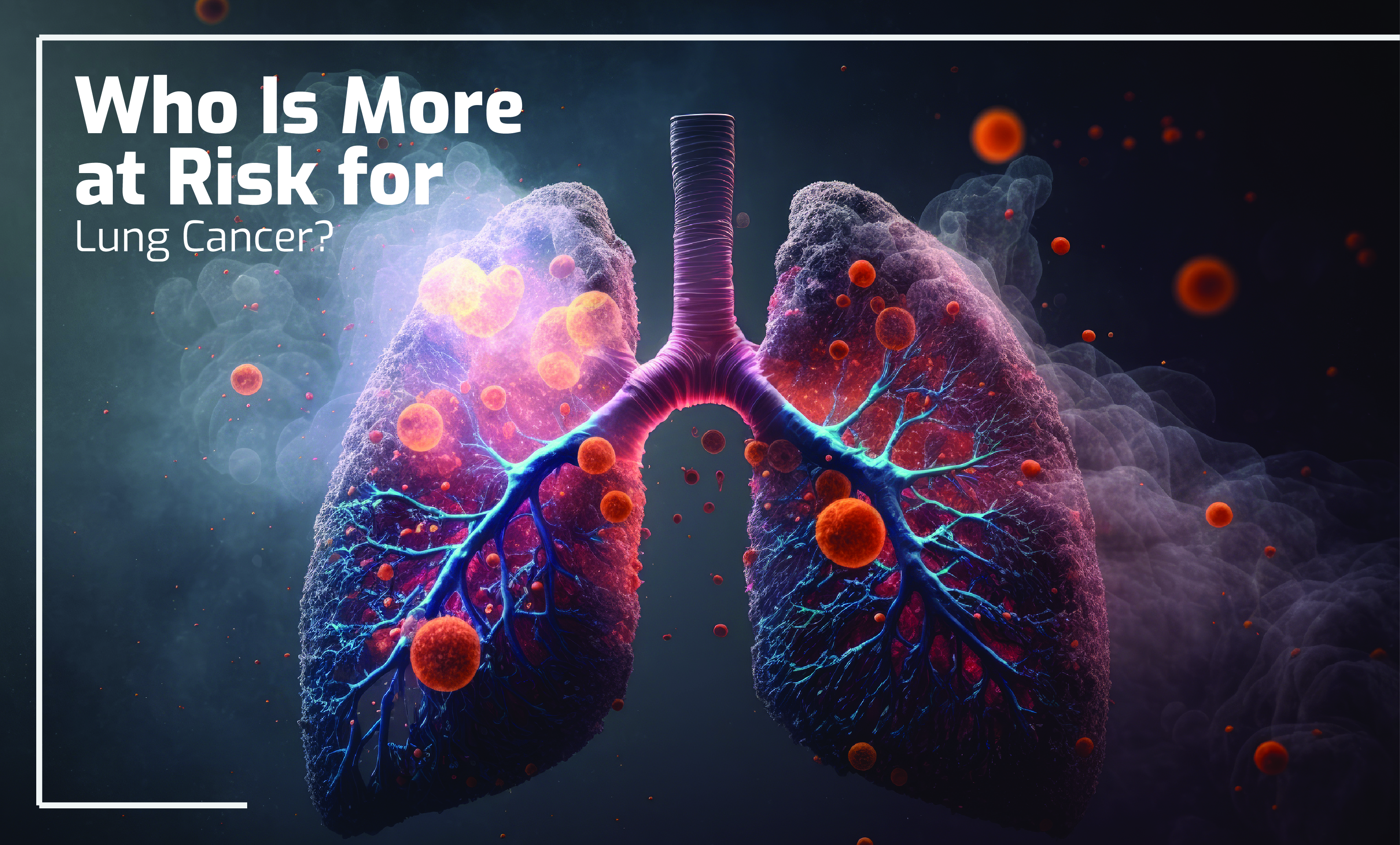
Who Is at Risk for Lung Cancer?
When we think of lung cancer, the first thing that comes to mind is smoking. But did you know that not all lung cancer patients are smokers? In fact, a significant number of lung cancer cases are found among people who have never touched a cigarette in their lives. So, what makes some people more vulnerable than others?
Understanding Lung Cancer:
Lung cancer starts when abnormal cells in the lungs begin to grow uncontrollably. These cells can form a tumor, interfere with normal breathing, and may spread to other parts of the body.
There are two main types:
- Non-Small Cell Lung Cancer (NSCLC): The most common type, making up about 85% of cases.
- Small Cell Lung Cancer (SCLC): A more aggressive form, often linked to heavy smoking.
While smoking remains the leading cause, experts like Dr. Sanjay Sharma, a reputed lung cancer doctor in Bandra, emphasize that genetics, environmental exposure, and even lifestyle factors can increase the risk.
1. Smokers the Most Recognized Risk Group
It’s no secret that smoking is the biggest cause of lung cancer. Cigarettes contain more than 7,000 chemicals, and at least 70 of them are known carcinogens substances that cause cancer.
How Smoking Increases Risk?
When you inhale cigarette smoke, these chemicals damage the lining of your lungs. Over time, the body’s repair system can’t keep up, and mutations begin in lung cells. This repeated damage leads to cancerous growth.
The Numbers Speak Loudly:
- About 85% of lung cancer cases are linked to smoking.
- Even light or occasional smokers have a higher risk than non-smokers.
- Cigar and pipe smokers aren’t spared the risk extends to all forms of tobacco.
As Dr. Sanjay Sharma, the best lung cancer doctor in Mumbai, points out:
“Quitting smoking at any stage makes a difference. Your lungs start healing the moment you stop, and your cancer risk decreases over time.”
2. Secondhand Smoke – The Silent Threat
You don’t have to smoke to be affected by tobacco. Breathing in someone else’s smoke called secondhand smoke can be just as harmful.
If you live or work with smokers, you are inhaling the same toxins. According to the World Health Organization (WHO), secondhand smoke causes more than 1.3 million deaths every year worldwide, many from lung-related diseases.
Children and non-smoking adults exposed to this kind of smoke regularly have a 20–30% higher risk of developing lung cancer.
That’s why Dr. Sanjay Sharma, an experienced lung cancer specialist in Cumballa Hospital, urges families to create smoke-free homes and workplaces.
3. Air Pollution A Modern Urban Danger
Living in big cities like Mumbai has its perks but clean air isn’t one of them. Air pollution has now emerged as one of the leading causes of lung diseases, including lung cancer.
What’s in the Air We Breathe?
Polluted air contains:
- Particulate matter (PM2.5 and PM10) – fine dust particles that penetrate deep into the lungs
- Nitrogen dioxide, carbon monoxide, and sulfur dioxide – toxic gases from vehicles and industries.
Studies have shown that prolonged exposure to air pollution can increase lung cancer risk even in non-smokers.
This is why Dr. Sanjay Sharma, a top lung cancer doctor in Bandra, stresses that urban residents should take preventive steps like using air purifiers, planting more trees, and wearing masks in high-pollution zones.
4. Family History and Genetics
Sometimes, lung cancer risk is written in your genes. If a close relative parent, sibling, or child has had lung cancer, your own risk goes up.
Genetic mutations can make your cells more vulnerable to cancer-causing substances.
According to Dr. Sanjay Sharma, one of the best lung cancer doctors in Mumbai, genetic screening may help high-risk individuals detect abnormalities early.
“If you have a strong family history of lung cancer, it’s important to talk to your doctor about genetic testing and regular screening,” he advises.
5. Occupational Hazards Risks at Work
Your job could also increase your lung cancer risk, especially if you’re exposed to certain harmful substances.
Industries such as mining, construction, shipbuilding, or manufacturing often expose workers to asbestos, arsenic, diesel exhaust, or radon gas all known carcinogens.
Common Workplace Carcinogens
- Asbestos: Once used in construction and insulation, now banned in many countries.
- Radon Gas: Naturally occurring radioactive gas found in some building materials and basements.
- Diesel Exhaust: Common in garages, factories, and transportation hubs.
Dr. Sanjay Sharma, a well-known lung cancer specialist in Cumballa Hospital, emphasizes workplace safety and regular health check-ups for those in high-risk industries. Wearing protective gear and ensuring proper ventilation can significantly lower risk.
6. Age and Gender – The Role of Demographics
Lung cancer risk increases with age, particularly after 50. This is because long-term exposure to toxins takes years to trigger visible effects.
However, recent data shows an alarming rise in younger non-smokers, especially women.
Why Are Women More at Risk Now?
Some studies suggest that hormonal factors, like estrogen, may make women’s lung cells more sensitive to damage.
Additionally, women tend to metabolize tobacco differently, which could increase their vulnerability.
Dr. Sanjay Sharma, an experienced lung cancer doctor in Bandra, has observed a growing number of cases among younger women many of whom have never smoked. This trend highlights the need for early screening and awareness across all age groups.
7. Previous Lung Diseases
If you’ve had certain lung conditions in the past, your risk of lung cancer is naturally higher. Diseases that cause chronic inflammation or scarring such as tuberculosis, chronic bronchitis, or COPD (Chronic Obstructive Pulmonary Disease) can damage lung tissue permanently.
Damaged tissue is more susceptible to abnormal cell growth.
That’s why Dr. Sanjay Sharma, a leading lung cancer specialist in Cumballa Hospital, recommends that people with chronic lung diseases undergo regular imaging tests like CT scans to monitor their lung health closely.
8. Lifestyle Factors – Diet, Exercise, and Immunity
Your everyday choices also shape your cancer risk. A poor diet, lack of exercise, and weakened immune system can make your body more vulnerable.
Unhealthy Habits That Increase Risk:
- High consumption of processed and fried foods
- Low intake of fruits and vegetables
- Excessive alcohol intake
- Sedentary lifestyle
- Chronic stress
A healthy diet rich in antioxidants (found in berries, leafy greens, and nuts) helps the body repair DNA damage caused by toxins.
Regular exercise improves lung capacity and boosts immunity.
As Dr. Sanjay Sharma, a trusted lung cancer doctor in Bandra, often says:
“Your lungs reflect your lifestyle. Simple choices like walking daily, eating clean, and avoiding smoke-filled environments go a long way in protecting them.”
9. Exposure to Radon Gas
Radon is an invisible, odorless gas that naturally forms from the breakdown of uranium in soil and rocks. It can seep into homes through cracks in the foundation or building materials.
Long-term exposure to radon is the second leading cause of lung cancer after smoking.
People who smoke and are exposed to radon face an even higher combined risk.
If you live in older buildings or ground-floor apartments, it’s advisable to get your home tested for radon levels. Dr. Sanjay Sharma, one of the best lung cancer doctors in Mumbai, recommends periodic checks, especially in industrial or mining areas.
10. Passive Risk from Cooking Fumes
In India and other Asian countries, indoor air pollution caused by cooking fumes is a serious but often ignored risk factor.
When oil is heated at high temperatures, it releases tiny particles and gases that can damage lung cells over time.
Women who cook in poorly ventilated kitchens especially using coal, wood, or kerosene are at higher risk.
Improving kitchen ventilation, using chimneys, and switching to cleaner fuels can drastically reduce the danger.
11. Weakened Immune System and Chronic Inflammation
People with weak immune systems due to conditions like HIV, long-term steroid use, or autoimmune diseases have a reduced ability to repair cellular damage. This allows abnormal cells to grow unchecked, potentially leading to cancer.
Chronic inflammation from allergies or repeated infections also creates an environment conducive to cancer development.
That’s why Dr. Sanjay Sharma, a highly regarded lung cancer specialist in Cumballa Hospital, stresses the importance of managing chronic illnesses under medical supervision.
12. The Role of Stress and Mental Health
It may sound surprising, but mental health also affects your physical health. Chronic stress can weaken your immune system, increase inflammation, and promote unhealthy habits like smoking or poor diet all of which elevate lung cancer risk.
Mindfulness, yoga, and adequate sleep can help you manage stress better.
According to Dr. Sanjay Sharma, a renowned lung cancer doctor in Bandra,
“Preventing lung cancer isn’t only about avoiding toxins it’s also about nurturing your mind and body holistically.”
13. When Should You Get Screened for Lung Cancer?
Early detection saves lives. Unfortunately, lung cancer often doesn’t show symptoms until it’s advanced.
However, with regular screening, doctors can catch it at an early, more treatable stage.
Who Should Get Screened?
You should consider screening if you:
- Are aged 50 or above
- Have a history of smoking
- Have family history of lung cancer
- Have been exposed to pollution or workplace toxins
Low-dose CT scans are now the preferred method for early detection.
At hospitals like Cumballa Hospital, experts such as Dr. Sanjay Sharma use advanced imaging and personalized screening protocols to identify lung cancer at its earliest stages.
14. Symptoms You Should Never Ignore:
Even though the symptoms may seem mild at first, any persistent change in your respiratory health deserves medical attention.
Watch out for:
- Chronic cough or change in cough pattern
- Shortness of breath
- Chest pain
- Coughing up blood
- Unexplained weight loss or fatigue
- Frequent lung infections
If you experience any of these signs, consult a lung cancer doctor in Bandra or the best lung cancer doctor in Mumbai immediately. Early intervention can make all the difference.
15. Prevention: Your Best Weapon
While not all risks can be eliminated, many can be reduced with conscious effort.
Simple Steps to Protect Your Lungs
- Quit smoking and avoid secondhand smoke
- Test your home for radon
- Use protective equipment if you work in high-risk industries
- Eat a balanced, antioxidant-rich diet
- Exercise regularly and maintain a healthy weight
- Get vaccinated against infections that affect the lungs (like flu and pneumonia)
- Go for regular check-ups and screenings
As Dr. Sanjay Sharma, one of the best lung cancer doctors in Mumbai, advises:
“Lung health is lifelong health. Prevention starts with awareness, and awareness begins with understanding your risks.”
Lung cancer doesn’t strike randomly it develops from a combination of habits, environment, and genetics. The more you understand your personal risk factors, the better you can protect yourself.
Whether you’re a smoker, live in a polluted city, or have a family history, there’s always something you can do to lower your chances.
With the guidance of experts like Dr. Sanjay Sharma, a leading lung cancer specialist in Cumballa Hospital, patients today have access to world-class diagnosis, personalized treatment, and preventive care. His approach emphasizes early detection, lifestyle improvement, and continuous monitoring the keys to saving lives.
If you or someone you know is at risk, don’t wait for symptoms. Talk to a lung cancer doctor in Bandra or consult the best lung cancer doctor in Mumbai for a comprehensive evaluation.
Because when it comes to lung cancer, early action truly means a second chance at life.
Recent Articles
Dense Breasts and Breast Cancer: When Is a Mammogram Not Enough? | Dr. Sanjay Sharma
Read More
How Quickly Should Breast Cancer Treatment Start After Diagnosis? | Dr. Sanjay Sharma
Read More